

Sudden cardiac death: forensic investigation and its implications for cardiovascular risk stratification and prevention
 0
0 
Graphical Abstract
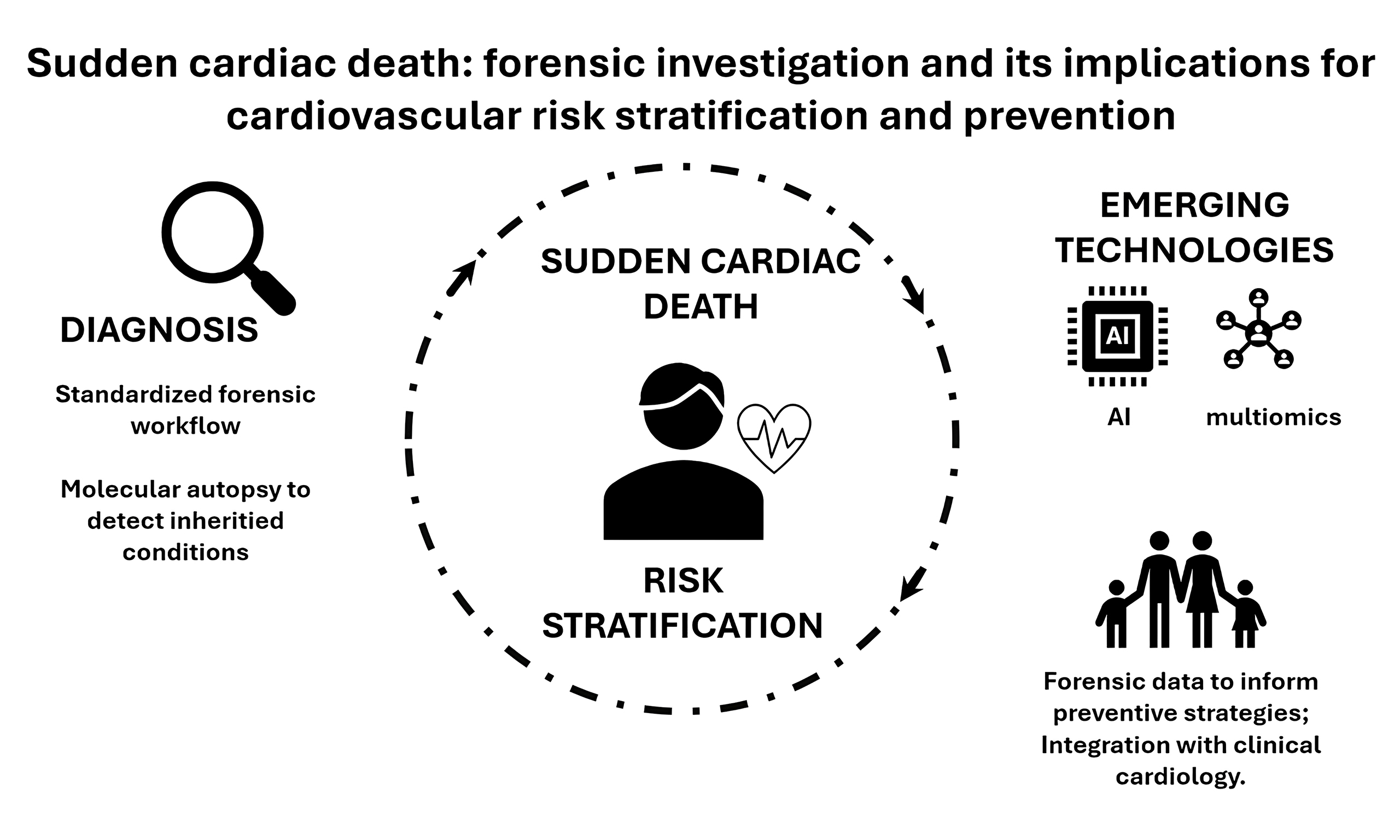
Abstract
Sudden cardiac death (SCD) remains a major global cause of mortality and is often the first manifestation of previously unrecognized cardiovascular disease. Despite advances in clinical cardiology, a substantial proportion of cases remain undiagnosed during life, underscoring the crucial role of forensic investigation in determining the cause of death and informing preventive strategies. This review provides a comprehensive overview of the forensic approach to SCD, highlighting the integration of scene investigation, autopsy, histopathology, toxicology, and molecular analyses within a standardized diagnostic workflow. Conventional autopsy continues to be the diagnostic cornerstone for identifying structural, ischemic, and inflammatory cardiac diseases, with coronary artery disease predominating in older individuals and cardiomyopathies and channelopathies representing major causes in younger populations. However, approximately 10%-15% of cases remain autopsy-negative and require advanced diagnostic approaches. Molecular autopsy, particularly through next-generation sequencing, has significantly improved the identification of heritable arrhythmogenic disorders, facilitating familial cascade screening and targeted preventive interventions. Emerging technologies, including postmortem imaging, immunohistochemistry, artificial intelligence, and multi-omics approaches, improve the detection of subtle pathological changes, although their routine implementation remains limited. Beyond cause-of-death determination, forensic investigation provides valuable epidemiological data and contributes to cardiovascular risk stratification by identifying undiagnosed disease substrates and inherited risk factors. Combining forensic, molecular, and population-level data strengthens the link between postmortem investigation and preventive cardiology, supporting more effective strategies to reduce the burden of SCD.
Keywords


 Download PDF
INTRODUCTION
Sudden cardiac death (SCD) is defined as an unexpected natural death of presumed cardiac origin occurring within a short interval after symptom onset, typically within one hour in witnessed cases, or within 24 h if unwitnessed, in individuals previously considered clinically stable[1]. It represents the abrupt failure of cardiac electrical or mechanical function, most commonly triggered by malignant ventricular arrhythmias arising from structural or primary electrical disorders[2].
Despite major advances in cardiovascular diagnostics and management, SCD remains a leading global cause of mortality, accounting for approximately 15%-20% of all deaths in Western countries[3]. Its epidemiology is highly heterogeneous, reflecting the interplay between age, sex, and underlying disease substrates. In individuals over 35 years, coronary artery disease (CAD) predominates, representing approximately 70%-75% of cases, whereas in younger populations cardiomyopathies and inherited arrhythmogenic disorders are more frequently identified[4].
The incidence increases markedly with age and remains consistently higher in males, although recent evidence suggests a progressive narrowing of this sex disparity[5-9].
One of the major challenges in SCD investigation is the substantial proportion of cases that remain unexplained even after comprehensive macroscopic and microscopic evaluation. Approximately 10%-15% of SCD cases remain unexplained after comprehensive postmortem investigation and are classified as autopsy-negative SCD. This category largely overlaps with what has historically been termed sudden arrhythmic death syndrome (SADS), a condition frequently associated with inherited arrhythmogenic disorders and the absence of diagnostic structural abnormalities at autopsy[10]. This diagnostic gap illustrates the limitations of traditional clinical risk stratification models and underscores the need for integrative approaches combining pathology, genetics, and advanced molecular tools.
Forensic investigation is crucial for understanding the mechanisms underlying SCD. The standardized forensic workflow, encompassing scene investigation, autopsy, histopathology, toxicology, and molecular analysis, remains the cornerstone for determining the cause of death and identifying otherwise unrecognized cardiovascular conditions[11].
While autopsy continues to represent the diagnostic gold standard for detecting structural abnormalities such as myocardial infarction, cardiomyopathies, and myocarditis[12,13], emerging technologies have significantly expanded its diagnostic scope. Molecular autopsy based on next-generation sequencing (NGS) has improved detection of inherited arrhythmogenic syndromes, especially in autopsy-negative cases[14,15]. Similarly, advances in toxicology, immunohistochemistry (IHC), postmortem imaging, and RNA-based biomarkers have enhanced the identification of subtle pathological and functional alterations that are not detectable through conventional methods[16-22].
Forensic investigation extends beyond cause-of-death determination. Postmortem findings may reveal undiagnosed cardiovascular diseases and inherited arrhythmogenic conditions, providing clinically relevant information for family screening and cardiovascular prevention[23-26].
In this framework, forensic investigation supports a reverse translational approach, whereby insights derived from postmortem analysis inform clinical practice, screening programs, and preventive policies in the living population[27,28].
In this narrative review, we provide a comprehensive and integrative overview of the forensic investigation of SCD, focusing on standardized workflows, pathological substrates, and emerging diagnostic technologies. Unlike previous reviews that have primarily addressed individual aspects of SCD, such as autopsy investigation, molecular diagnostics, inherited arrhythmogenic disorders, or clinical risk stratification, this review specifically emphasizes the translational role of forensic pathology in cardiovascular prevention. Particular attention is devoted to the integration of postmortem findings with molecular autopsy, epidemiological surveillance, familial screening, and cardiovascular risk assessment. By bridging forensic medicine, cardiovascular pathology, genetics, and preventive cardiology, this review aims to highlight how forensic investigation can contribute not only to cause-of-death determination but also to individualized and population-based prevention strategies[29].
FORENSIC WORKFLOW IN SCD
Scene investigation and circumstantial data
Scene investigation represents the first step in the forensic evaluation of SCD and provides essential contextual information for guiding subsequent diagnostic procedures. The investigation helps reconstruct the circumstances of death and distinguish natural cardiac events from trauma, intoxication, or environmental causes[30].
In SCD cases, the evidentiary value of scene examination lies less in descriptive documentation and more in identifying factors that may suggest arrhythmogenic triggers or underlying disease. Particular attention should be paid to circumstances of death, including physical exertion, emotional stress, or occurrence during sleep, as these patterns are often associated with specific pathological substrates. For example, exertional collapse may indicate cardiomyopathies, whereas nocturnal deaths raise suspicion for channelopathies such as Brugada syndrome (BrS)[31].
The collection of medical and family history is equally critical, especially in cases involving young individuals. Information on prior syncope, seizures, cardiac symptoms, or familial sudden death may point toward inherited arrhythmogenic disorders, which frequently remain clinically silent until the fatal event[32].
In addition, documentation of potential exogenous triggers, including pharmaceuticals, illicit substances, energy drinks, or supplements, is essential, as stimulant exposure may precipitate fatal arrhythmias in susceptible individuals[33]. When present, implantable cardiac devices should be interrogated, as stored data can provide direct evidence of terminal arrhythmic events[34].
Although scene findings are rarely diagnostic when considered individually, their integration with autopsy and laboratory results contributes to a structured evidentiary framework, improving both the accuracy of cause-of-death determination and the identification of clinically relevant risk factors[35,36].
Autopsy methodology in suspected SCD
A standardized autopsy remains the cornerstone of SCD investigation and is essential for identifying structural and non-structural causes of death. Current guidelines emphasize a systematic approach that prioritizes detailed examination of the cardiovascular system while maintaining a comprehensive evaluation of extracardiac findings[1].
External examination primarily serves to document signs of medical intervention, trauma related to collapse or features suggestive of intoxication or systemic disease. Although typically non-specific, these findings may provide important contextual clues that support or refute a cardiac cause of death[37].
The internal examination is centered on meticulous assessment of the heart, coronary arteries, and great vessels. Serial sectioning of the coronary arteries at short intervals is essential for detecting atherosclerotic stenosis, plaque disruption, and thrombosis, which represent the predominant substrates of SCD in adult populations[38-41].
However, a key limitation of conventional autopsy is the inability to identify abnormalities in a subset of cases. Approximately 10%-15% of SCD cases remain unexplained following macroscopic and histological evaluation, reflecting underlying electrical disorders or subtle pathological changes not detectable by morphology alone[10]. In these situations, additional investigations, particularly genetic and toxicological analyses, become essential for clarifying the cause of death.
Sampling strategies must therefore be systematic and sufficiently extensive, including multiple myocardial regions and, when appropriate, conduction system evaluation. Special attention is required in young individuals, in whom pathological alterations may be focal or minimal[42].
Beyond cause-of-death determination, the autopsy provides critical data for epidemiological surveillance and may reveal previously undiagnosed conditions with implications for family screening. This broader role underscores the importance of standardized protocols and multidisciplinary interpretation in modern SCD investigation[24,43].
Heart examination: gross pathology and histological protocols
Detailed cardiac examination represents the most critical component of the SCD autopsy, as it allows differentiation between ischemic, structural, inflammatory, and congenital causes of death[1,9].
At the macroscopic level, assessment includes heart weight, chamber dimensions, wall thickness, and global morphology. These parameters provide essential clues to underlying disease processes, such as hypertrophic remodeling, dilated cardiomyopathy, or right ventricular abnormalities suggestive of arrhythmogenic cardiomyopathy (ACM). Systematic examination of coronary arteries remains fundamental for identifying atherosclerosis, plaque rupture, and thrombosis, which predominate in older individuals[44]. Beyond the identification of obstructive lesions, detailed assessment of coronary artery pathology allows characterization of plaque composition, distribution, and stage of evolution. These features are central to vascular medicine, as they reflect the dynamic process of atherosclerosis progression and instability[45]. Forensic evaluation thus provides a unique opportunity to directly observe advanced and subclinical vascular disease, including diffuse atherosclerosis and early plaque formation, which may remain undetected during life.
Importantly, gross findings may be subtle or absent in several conditions associated with SCD, including myocarditis and conduction system abnormalities, highlighting the limitations of macroscopic evaluation alone[46].
Histological analysis is therefore indispensable and requires standardized sampling from multiple myocardial regions. Routine staining allows identification of key pathological features, including myocardial necrosis, inflammation, fibrosis, myocyte disarray, and fibrofatty replacement. These findings are central to diagnosing conditions such as hypertrophic cardiomyopathy (HCM), ACM, and myocarditis[47].
Nevertheless, early myocardial injury, particularly in the context of acute ischemia, remains challenging to detect using conventional histology alone, representing a significant diagnostic limitation. Similarly, inflammatory processes may be focal and easily missed without adequate sampling. These challenges emphasize the need for comprehensive and standardized histological protocols as a prerequisite for accurate diagnosis.
The integration of macroscopic and microscopic findings thus provides the structural framework for interpreting SCD, which must subsequently be complemented by ancillary investigations and clinical context.
Ancillary investigations: role and diagnostic integration
Ancillary investigations are essential for resolving diagnostically inconclusive cases and for identifying non-structural mechanisms of sudden death. These investigations include toxicological, microbiological, molecular, genetic, imaging, and immunohistochemical analyses. Rather than acting as isolated tests, these methods serve as complementary diagnostic tools that extend the diagnostic capabilities of conventional autopsy[24].
Toxicological analysis is fundamental for detecting substances capable of inducing arrhythmias, impairing conduction, or triggering ischemia. Comprehensive screening is often required, as polypharmacy and combined drug effects are common, and interpretation must account for postmortem redistribution and pharmacokinetic variability[48].
Microbiological and molecular investigations are indicated when infectious or inflammatory etiologies, such as myocarditis, are suspected. Targeted detection of cardiotropic viruses can provide critical evidence in otherwise inconclusive cases[49].
In parallel, molecular autopsy has emerged as a key diagnostic tool, particularly in autopsy-negative SCD, with direct implications for family screening and prevention[50].
Despite their increasing relevance, ancillary investigations are characterized by important limitations, including interpretative uncertainty, lack of standardization, and variability in availability across forensic settings. Their diagnostic value is therefore maximized only when integrated with morphological findings, circumstantial data, and clinical information within a multidisciplinary framework.
The overall forensic workflow in SCD, from scene investigation to molecular analysis, forms a structured and hierarchical process in which each step contributes to refining the final diagnosis and, importantly, to translating postmortem findings into preventive strategies [Figure 1].
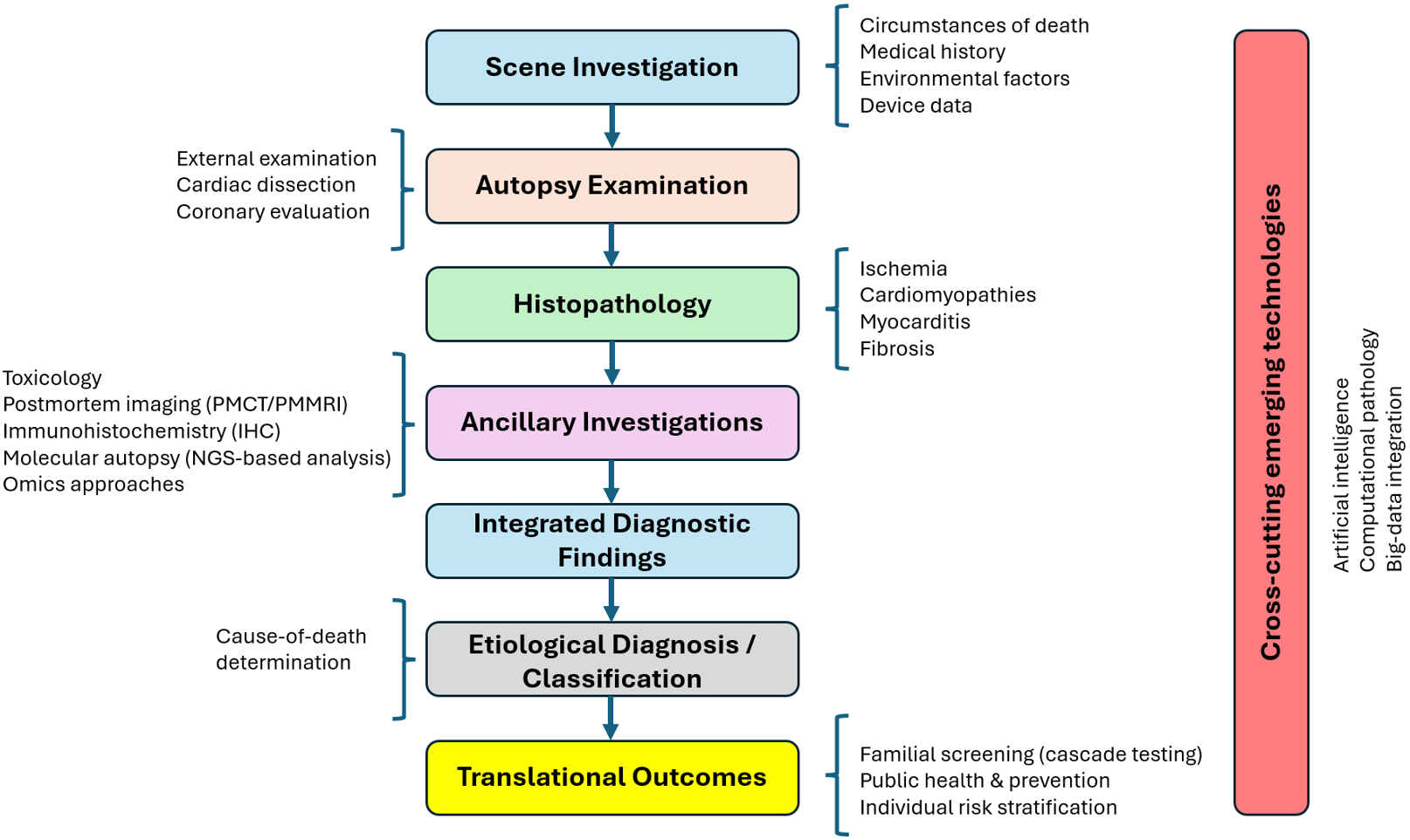
Figure 1. Integrated forensic investigation pathway in SCD. The diagnostic workflow begins with scene investigation, followed by autopsy examination and histopathological evaluation. Ancillary investigations, including toxicology, postmortem imaging, IHC, molecular autopsy, and omics approaches, provide complementary diagnostic information, particularly in autopsy-negative SCD cases. Integration of all findings enables etiological diagnosis and classification, supporting translational outcomes such as familial cascade screening, cardiovascular risk stratification, and public health prevention strategies. Emerging technologies, including artificial intelligence (AI), computational pathology, and big-data integration, may enhance multiple stages of the diagnostic pathway.
PATHOLOGICAL SUBSTRATES OF SCD
SCD arises from a heterogeneous spectrum of structural, electrical, and inflammatory cardiac disorders, each characterized by distinct pathological substrates that ultimately converge on fatal arrhythmias. While CAD predominates in adult populations, cardiomyopathies, primary electrical diseases, and inflammatory conditions represent major causes in younger individuals, alongside a subset of cases lacking detectable structural abnormalities[24]. Because many SCD events occur in individuals without prior clinical diagnosis, forensic pathology plays a central role in identifying these substrates and uncovering silent or undetected diseases. Beyond clarifying the mechanism of death, systematic characterization of pathological substrates provides critical insights for cardiovascular risk stratification, familial screening, and preventive strategies.
CAD and acute ischemia
CAD remains the leading cause of SCD in individuals over 35 years, accounting for approximately 70%-75% of cases[51]. In this context, SCD most commonly results from acute ischemia due to plaque disruption or thrombosis, which rapidly destabilizes myocardial electrical activity[3]. Advanced atherosclerosis, multivessel involvement, and calcified lesions further increase the arrhythmogenic substrate[52].
From a vascular medicine perspective, these findings should be interpreted within the broader framework of systemic atherosclerotic disease. The presence of complex coronary plaques at autopsy often reflects a long-standing, clinically silent process of vascular injury and remodeling[53]. Importantly, features such as thin cap fibroatheroma, plaque erosion, and diffuse non-obstructive atherosclerosis are increasingly recognized as markers of vulnerability rather than simply luminal stenosis[54]. In this context, forensic identification of plaque morphology provides unique insights into mechanisms of plaque instability and may contribute to refining vascular risk stratification models beyond traditional clinical parameters.
An additional vascular substrate that deserves consideration is coronary microvascular dysfunction (CMD), which encompasses structural and functional abnormalities of the coronary microcirculation capable of impairing myocardial perfusion independently of significant epicardial coronary stenosis. Increasing evidence indicates that CMD may promote myocardial ischemia, electrical instability, and malignant ventricular arrhythmias, thereby contributing to SCD risk even in patients with non-obstructive coronary arteries[55]. From a forensic perspective, CMD represents a particularly challenging entity because alterations such as arteriolar remodeling, endothelial dysfunction, capillary rarefaction, and impaired coronary flow reserve are often not appreciable during routine autopsy or conventional histopathological examinations. Consequently, a subset of ischemic or arrhythmic deaths may involve clinically significant microvascular disease that remains morphologically subtle, highlighting both the limitations of traditional postmortem assessment and the need for integrating vascular pathophysiology into the interpretation of autopsy-negative SCD cases[56,57].
Plaque rupture involves disruption of a thin fibrous cap overlying a lipid-rich necrotic core, leading to thrombus formation and abrupt vessel occlusion[53,54]. In contrast, plaque erosion is characterized by endothelial denudation without cap rupture and is typically associated with less lipid content and greater extracellular matrix components[55,56]. Both mechanisms can precipitate lethal ventricular arrhythmias within minutes of ischemia onset.
Myocardial infarction may lead to SCD either in the acute phase, through ischemia-induced arrhythmias, or in the chronic phase via scar-related re-entry circuits. A major challenge in forensic pathology is the detection of early myocardial ischemia, as histological signs may be minimal or absent within the first hours after onset[58,59].
This limitation underscores a critical gap in morphology-based diagnosis and highlights the need for integrated approaches combining histology with ancillary investigations. From an epidemiological perspective, ischemic SCD frequently occurs in individuals with previously undiagnosed coronary disease, emphasizing the silent progression of atherosclerosis and the limitations of current clinical risk detection strategies[60,61].
Cardiomyopathies
Cardiomyopathies represent the most important non-ischemic causes of SCD, particularly in younger individuals and athletes. Their pathological heterogeneity reflects diverse genetic and structural abnormalities that create substrates for malignant ventricular arrhythmias[62,63].
HCM is a leading cause of SCD in adolescents and young adults and is classically characterized by asymmetric ventricular hypertrophy and myocyte disarray, although other morphological patterns, including concentric and apical hypertrophy, may also occur. These structural abnormalities, combined with interstitial fibrosis and small vessel disease, create an arrhythmogenic substrate particularly prone to instability during exertion or adrenergic stimulation[4,64,65]. CMD plays a central role in the pathophysiology of HCM, contributing to ischemia, replacement fibrosis, and electrical instability even in the absence of epicardial coronary stenosis[66]. This highlights how microvascular disease, often undetectable in standard clinical assessments, may represent a critical but underrecognized determinant of both SCD risk and broader cardiovascular morbidity.
ACM is defined by progressive fibrofatty replacement of the myocardium, predominantly involving the right ventricle but often extending to biventricular or left-dominant forms. These structural alterations disrupt electrical conduction and predispose individuals to ventricular arrhythmias, particularly during physical stress[4,67]. Identification at autopsy has important implications for genetic testing and familial screening.
Dilated cardiomyopathy is characterized by ventricular dilation, systolic dysfunction, and diffuse myocardial fibrosis, all of which contribute to electrical instability. Although clinically associated with heart failure, SCD may occur even in early or mild symptomatic disease, reflecting the arrhythmogenic role of myocardial remodeling[4,68,69].
Restrictive and infiltrative cardiomyopathies, including amyloidosis and metabolic storage disorders, are less frequent but clinically relevant causes of SCD. These conditions alter myocardial compliance and conduction, promoting arrhythmias or electromechanical dissociation. Their recognition is essential, as they often carry specific therapeutic and familial implications[70-72].
Primary electrical diseases (channelopathies)
Primary electrical disorders, or channelopathies, are characterized by lethal arrhythmias occurring in structurally normal hearts. Because they typically lack macroscopic or histological abnormalities, they represent a central component of autopsy-negative SCD[20].
Channelopathies, including long QT syndrome (LQTS), BrS, and catecholaminergic polymorphic ventricular tachycardia (CPVT), are major causes of SCD in individuals under 35 years[51]. Their clinical presentation is often unpredictable, with sudden death occurring during exertion, emotional stress, or sleep.
LQTS is characterized by delayed repolarization and susceptibility to polymorphic ventricular tachycardia, typically associated with ion channel gene mutations[73,74].
BrS involves sodium channel dysfunction and is associated with nocturnal arrhythmic events, particularly in young men[75].
CPVT results from abnormalities in calcium handling and manifests with stress-induced arrhythmias without structural heart disease[76].
A key limitation in forensic investigation is that conventional autopsy cannot identify these disorders. Consequently, molecular autopsy has become essential, although interpretation remains complex due to the high prevalence of variants of uncertain significance (VUS) and the need for integration with clinical and familial data[50,77].
Myocarditis and inflammatory causes
Myocarditis is a clinically and pathologically heterogeneous condition that can lead to SCD across all age groups. Its presentation ranges from subclinical inflammation to fulminant disease, often complicating diagnosis[78].
Viral myocarditis is the most common form and is characterized histologically by lymphocytic infiltration and myocyte necrosis. It represents a well-recognized cause of SCD in children and young adults[79,80]. Autoimmune forms, including giant cell myocarditis and cardiac sarcoidosis, are associated with aggressive inflammatory processes, conduction system involvement, and high arrhythmic risk[81,82]. Toxic myocarditis, related to drug exposure or environmental toxins, further contributes to the spectrum of inflammatory cardiac disease[83,84].
A major limitation in diagnosis is the patchy distribution of inflammatory infiltrates, which may lead to false-negative findings if sampling is insufficient. This highlights the importance of extensive histological evaluation and complementary molecular techniques[78,85].
Structurally normal heart SCD (“negative autopsy”)
Cases in which the heart appears structurally normal at autopsy represent one of the most challenging categories in forensic pathology. Approximately 10%-15% of SCD cases fall into this group, often designated as sudden unexplained death or SADS[86].
These autopsy-negative SCD cases are more common in younger individuals and are frequently linked to inherited arrhythmogenic disorders or subtle pathological changes not detectable by conventional methods[20].
The absence of structural abnormalities underscores the limitations of morphology-based diagnosis and the need for advanced investigative approaches.
Although meticulous histological examination may reveal subtle alterations, many cases remain unresolved without genetic analysis. Molecular autopsy using NGS has therefore become an indispensable diagnostic tool, allowing identification of pathogenic variants and enabling targeted family screening[87-89].
However, significant challenges remain, particularly in the interpretation of genetic findings. The high prevalence of VUS limits diagnostic certainty and requires cautious evaluation through population data, in silico analysis, and family-based studies[90,91].
In Table 1, age-related distribution and pathological features of SCD are summarized.
Pathological substrates of SCD: age distribution, mechanisms, and forensic challenges. These pathological substrates, while traditionally classified based on morphology, increasingly require integration with molecular and functional data to achieve diagnostic precision
| Cause | Age group | Key pathological features | Mechanism | Forensic pitfalls | References |
| CAD | > 35 years | Atherosclerosis, thrombosis | Ischemia arrhythmia | Early MI difficult | [1,51,63] |
| HCM | Young | LV hypertrophy, myocyte disarray | Re-entry arrhythmia | May be subtle | [4,63] |
| ACM | Young | Fibrofatty replacement | Ventricular arrhythmia | Sampling error | [4,63] |
| Channelopathies | Young | Structurally normal heart | Ion channel dysfunction | Requires genetics | [4,20] |
| Myocarditis | All ages | Inflammation, necrosis | Arrhythmia/heart failure | Patchy lesions | [1,46] |
| SADS/Autopsy-negative SCD | Young | No diagnostic findings | Electrical instability | Diagnosis of exclusion | [20,51] |
ADVANCED FORENSIC TECHNIQUES IN SCD INVESTIGATION
Advances in postmortem diagnostics have the potential to transform the investigation of SCD, although the clinical maturity and level of validation of these technologies vary considerably. While traditional morphological assessment remains the diagnostic cornerstone, emerging technologies, including postmortem imaging, molecular autopsy, and multi-omics approaches, provide complementary insights, particularly in cases of early ischemia, inherited arrhythmogenic disorders, and structurally normal hearts. These tools enhance diagnostic precision and enable a more integrative interpretation of SCD, with direct implications for familial risk assessment and preventive cardiology[92]. However, the translation of these technologies into routine practice remains limited by cost, infrastructure requirements, and lack of standardized protocols, highlighting the gap between research advances and real-world implementation.
The principal diagnostic methods, along with their applications and limitations, are summarized in Table 2.
Diagnostic methods in forensic investigation of SCD: applications and limitations
| Technique | Diagnostic role | Strengths | Limitations | Current status | References |
| Autopsy | Structural diagnosis | Gold standard | Limited for channelopathies | Routine | [1] |
| Histology | Cellular diagnosis | Widely available | Sampling bias | Routine | [1] |
| Toxicology | Drug detection | Identifies triggers | Interpretation difficulties | Routine | [43] |
| PMCT/PMMRI | Structural imaging | Non-invasive | Limited early ischemia detection | Adjunctive | [93] |
| IHC | Early ischemia | Increased sensitivity | Lack of standardization | Advanced | [94] |
| Molecular autopsy | Genetic diagnosis | High yield in selected cases | VUS interpretation | Expanding | [20] |
| Omics approaches | Early molecular injury detection | High sensitivity | Experimental | Research | [10] |
| AI pathology | Pattern recognition | Quantitative analysis | Limited validation | Emerging | [95] |
Importantly, the degree of clinical and forensic validation varies substantially among these techniques. Conventional autopsy, histology, toxicology, and, increasingly, postmortem imaging have achieved broad acceptance and are supported by established guidelines. In contrast, molecular autopsy has demonstrated significant diagnostic utility but remains limited by interpretative challenges, particularly the high prevalence of VUS. Emerging technologies such as transcriptomics, proteomics, metabolomics, and AI show promising diagnostic potential; however, the current evidence is largely derived from experimental studies, retrospective analyses, or highly specialized research settings. Consequently, their routine implementation in forensic practice remains premature pending further validation and standardization.
To provide a practical overview of the maturity and translational readiness of currently available diagnostic technologies, the principal forensic approaches are compared in Table 3 according to their diagnostic role, current applicability, strengths, limitations, and level of supporting evidence.
Current level of evidence and forensic applicability of diagnostic technologies in SCD investigation. Technologies are classified according to diagnostic role, current implementation in forensic practice, main strengths, limitations, and overall maturity of supporting evidence
| Technology | Diagnostic role | Current applicability | Main limitations | Evidence level | References |
| Conventional autopsy | Structural diagnosis | Routine | Channelopathies not detected | High | [1] |
| Histopathology | Microscopic diagnosis | Routine | Sampling bias | High | [1] |
| Toxicology | Drug/toxin detection | Routine | Interpretation complexity | High | [93] |
| PMCT/PMMRI | Structural assessment | Adjunctive | Limited sensitivity | Moderate | [93] |
| Molecular autopsy | Inherited arrhythmogenic diseases | Specialized centers | VUS, cost | Moderate-high | [20,50] |
| IHC | Early myocardial injury | Specialized | Standardization issues | Moderate | [94] |
| AI/Digital pathology | Quantitative tissue analysis | Investigational | Limited validation | Low-moderate | [95,96] |
| Proteomics | Biomarker identification | Experimental | Small cohorts | Low | [97] |
| Metabolomics | Metabolic profiling | Experimental | Limited reproducibility | Low | [98] |
| Multi-omics | Integrated molecular profiling | Experimental | Lack of clinical validation | Low | [10] |
Postmortem imaging (PMCT, PMMRI)
Postmortem imaging has become an increasingly valuable adjunct to conventional autopsy, offering non-invasive assessment and whole-body documentation. Post-mortem computed tomography (PMCT) is particularly useful for detecting skeletal injuries, gas distribution, coronary calcifications, and medical devices, and facilitates targeted dissection[92,99]. In cardiovascular SCD, the addition of postmortem CT angiography (PMCTA) improves visualization of coronary arteries, enabling detection of stenoses and occlusions that may not be readily apparent on standard imaging[93]. Post-mortem magnetic resonance imaging (PMMRI), in contrast, provides superior soft-tissue characterization and may reveal myocardial edema or structural abnormalities suggestive of acute injury[92,100].
Ex situ PMMRI has shown promising concordance with macroscopic and histological findings, assisting in the identification of subtle lesions and guiding sampling strategies[101,102].
Despite these advantages, imaging techniques remain adjunctive rather than definitive. Their sensitivity for early ischemic changes and inflammatory processes is limited, and interpretation is often complicated by postmortem artifacts and tissue degradation. Consequently, imaging findings must be integrated with autopsy and histological data to ensure accurate cause-of-death determination[93].
Molecular autopsy: techniques and challenges
Molecular autopsy is now a key component of SCD investigation, particularly in cases where structural abnormalities are absent. It involves postmortem genetic testing aimed at identifying inherited arrhythmogenic conditions, including channelopathies and cardiomyopathies[50].
NGS technologies have significantly expanded the scope of analysis, allowing simultaneous interrogation of multiple genes associated with cardiac function. Targeted gene panels are commonly used in forensic practice, while whole-exome (WES) and whole-genome sequencing (WGS) provide broader coverage at the cost of increased analytical complexity[50,103].
The diagnostic yield of molecular autopsy is highest in younger individuals, with pathogenic variants identified in approximately 20%-25% of autopsy-negative SCD cases[20]. Importantly, these findings have implications beyond postmortem diagnosis, enabling cascade screening and preventive management of at-risk relatives.
However, interpretation of genetic variants remains a major limitation. A substantial proportion of findings are classified as VUS, which complicates clinical translation and may lead to misinterpretation if not contextualized appropriately[104]. Diagnostic accuracy is therefore maximized through multidisciplinary evaluation and, when possible, correlation with family history and clinical phenotype [Table 4].
Diagnostic yield and limitations of molecular autopsy in SCD
| Aspect | Evidence | Strength | Limitation | References |
| Diagnostic yield | ~20%-25% in autopsy-negative SCD | High in young individuals | Lower yield in adults | [20,50] |
| Genes involved | Channelopathy and cardiomyopathy genes | Well characterized | Incomplete gene panels | [20] |
| VUS rate | Approximately 50%-60% of identified variants | Broad detection capability | Interpretation uncertainty | [20,90,91] |
| Family screening | Identifies at-risk relatives | Preventive impact | Requires counseling and multidisciplinary management | [108] |
| WES/WGS | Broader genomic coverage | Detects rare variants | Data overload and interpretation issues | [103] |
From a practical perspective, VUS should not be considered diagnostic and should not independently guide predictive testing or clinical management in relatives. Current recommendations emphasize referral of affected families to specialized multidisciplinary cardiac genetic clinics, where variant interpretation can be integrated with phenotypic evaluation, segregation studies, and periodic reclassification efforts[90,105]. To minimize unnecessary anxiety and inappropriate clinical interventions, some experts also advocate restricting the clinical emphasis of postmortem genetic reports to Pathogenic and Likely Pathogenic variants while clearly distinguishing VUS as findings requiring further investigation rather than actionable results[29,91].
An additional challenge arises from variability in variant interpretation across laboratories and institutions. Although current recommendations encourage the use of standardized classification frameworks, including American College of Medical Genetics and Genomics/Association for Molecular Pathology criteria, differences in available population databases, bioinformatic pipelines, expert interpretation, and institutional reporting policies may result in divergent classifications for the same variant. Consequently, findings considered potentially relevant in one center may be interpreted differently elsewhere, highlighting the need for greater harmonization and centralized expert review.
Despite its diagnostic value, the implementation of molecular autopsy in routine practice is significantly constrained by practical and interpretative barriers. The cost of NGS, together with the need for specialized laboratory infrastructure and bioinformatic expertise, limits its availability to selected centers, resulting in unequal access across forensic systems. In addition, the high prevalence of VUS, which may account for approximately 50%-60% of detected genetic variants in molecular autopsy analyses, represents a major challenge for clinical translation, as it introduces uncertainty in causal attribution and risk assessment[20,50]. Consequently, the diagnostic yield reported across studies varies considerably, reflecting differences in methodology, population characteristics, and criteria for variant classification.
In forensic practice, excessive reliance on genetic findings without adequate phenotypic correlation may lead to inappropriate attribution of causality. The identification of a rare genetic variant does not necessarily establish the cause of death, particularly when pathological evidence is absent or inconclusive. Therefore, molecular findings should be regarded as one component of a comprehensive multidisciplinary assessment rather than as standalone diagnostic evidence.
Ethical and legal considerations further complicate implementation, particularly with regard to consent for postmortem genetic testing, management of genetic data, and communication of results to relatives, who may be directly affected by the findings. In this context, the development of standardized variant interpretation frameworks, multidisciplinary case review, and structured genetic counseling is essential to ensure appropriate use and to avoid overinterpretation or misclassification of genetic results[105-107].
Epigenetics and transcriptomics
Epigenetic and transcriptomic profiling represents a rapidly evolving field in forensic medicine, offering insight into dynamic molecular processes that are not captured by static structural or genetic analyses[108,109]. Among these, microRNAs (miRNAs) have emerged as particularly promising biomarkers due to their postmortem stability and tissue-specific expression patterns. Experimental and computational studies suggest that miRNA signatures may reflect early ischemic injury and arrhythmogenic processes, with potential applications in distinguishing causes of SCD[21,22].
Transcriptomic profiling may provide insight into inflammatory pathways and metabolic alterations associated with myocardial injury, although its application remains largely confined to research settings[110].
Despite their potential, these approaches are not yet standardized for routine forensic use. Variability in sample quality, postmortem degradation, and lack of validated reference datasets currently limit their clinical applicability.
In addition, the lack of validated reference databases and the susceptibility of RNA-based analyses to postmortem degradation pose further challenges. Standardization of sampling procedures and development of robust analytical pipelines will be crucial to translate these approaches from research to routine application[10]. Additional multicenter validation studies are required before transcriptomic and epigenetic analyses can be considered reliable diagnostic tools in SCD investigation.
Proteomics and metabolomics
Proteomic and metabolomic techniques may offer a functional perspective on myocardial injury by detecting molecular alterations that precede detectable structural changes. This is particularly relevant for early ischemia, where conventional histology may be inconclusive[111].
Experimental studies suggest that metabolic shifts may occur within minutes of ischemia onset, affecting lipid metabolism and energy pathways before the appearance of morphological damage[98]. Similarly, proteomic analyses have identified alterations in proteins involved in cytoskeletal organization, inflammation, and ion regulation, reflecting early pathophysiological responses[112].
Although these findings highlight the diagnostic potential of proteomics and metabolomics, their routine application is currently limited by technical complexity, cost, and lack of standardized protocols. As such, they remain primarily research tools with promising future applications in forensic diagnostics.
At present, no proteomic or metabolomic marker panel has achieved sufficient validation to support routine forensic diagnosis of SCD. Most available studies are characterized by limited sample sizes, methodological heterogeneity, and lack of external validation cohorts. Consequently, while these approaches provide important mechanistic insights into myocardial injury and arrhythmogenesis, their current role should be considered exploratory rather than diagnostic. To address these barriers, future efforts should focus on identifying reproducible biomarker panels with clear diagnostic thresholds that can be implemented in a scalable manner across different resource settings[97].
Molecular and biomarker-based diagnostics
Biomarker-based approaches, including IHC and postmortem biochemistry, provide additional tools for evaluating cases in which structural findings are inconclusive. These methods are particularly relevant for distinguishing ischemic from arrhythmic mechanisms of death.
Immunohistochemical markers, such as complement components, cytoskeletal proteins, and membrane-associated molecules, can improve detection of early myocardial injury beyond the limits of routine histology[18,94].
Similarly, redistribution patterns of ion-channel-related proteins may offer indirect evidence of arrhythmogenic mechanisms[94,113].
Postmortem biochemical markers, including cardiac troponins, natriuretic peptides, and stress-related mediators, provide complementary information on myocardial damage and hemodynamic stress[114-116].
A key limitation of biomarker-based approaches is the absence of specificity: no single marker reliably differentiates ischemic from arrhythmic death. Therefore, their diagnostic value lies primarily in their integration with histological, toxicological, and genetic findings rather than as standalone indicators[117-119].
SPECIAL FORENSIC SCENARIOS
Certain contexts of SCD present specific diagnostic challenges and require tailored forensic approaches. These scenarios are characterized by distinct epidemiological patterns, potential external triggers, or increased medico-legal complexity, and therefore demand careful integration of circumstantial, pathological, and ancillary findings.
Sudden death in athletes
SCD in athletes demonstrates marked age-related variability, with cardiomyopathies and channelopathies predominating in younger individuals and CAD becoming more prevalent in older athletes[120,121]. Although the absolute incidence is low, it varies significantly across sports, sex, and geographic regions, reflecting both biological and environmental factors[122].
From a forensic perspective, the distribution of pathological substrates largely mirrors clinical observations. In individuals ≤ 35 years, HCM, ACM, myocarditis, and autopsy-negative SCD are most frequent, whereas atherosclerotic disease predominates beyond this age threshold[120,121]. Notably, many sport-related deaths occur outside organized competition, highlighting that risk extends beyond elite athletes and supporting a broader population-based preventive approach[123].
Forensic investigation must therefore include targeted cardiac examination, comprehensive toxicology, and molecular autopsy in cases without structural findings. While preparticipation screening may reduce risk, its effectiveness remains debated, and secondary prevention strategies, particularly access to automated external defibrillators (AEDs), represent a consistently supported intervention[120,121,124,125].
Importantly, forensic data contributes to refining risk communication and informing public health policies, particularly in high-risk sporting environments.
Sudden pediatric and infant cardiac deaths
Sudden deaths in infants and children are characterized by diagnostic heterogeneity and persistent challenges in classification, particularly due to inconsistent terminology (e.g., SIDS, SUID, SUDC) and variability in investigative protocols[126-128]. These limitations complicate both epidemiological surveillance and prevention strategies.
Standardized investigative frameworks integrating scene examination, structured autopsy, and systematic biological sampling have significantly improved case classification and research reliability[105].
Among identified causes, myocarditis is increasingly recognized as an underdiagnosed contributor, with viral etiologies frequently confirmed through molecular techniques[129]. In older children, inherited cardiomyopathies and channelopathies represent a substantial proportion of SCD, often presenting as autopsy-negative cases. Molecular autopsy has demonstrated a diagnostic yield of approximately 20%-28% in selected cohorts, reinforcing its role in pediatric forensic practice[130].
From a forensic perspective, challenges include variability in scene investigation quality, limitations in histological sensitivity, and unequal access to genetic testing[131].
The implications extend beyond diagnosis, as accurate classification supports both preventive public health interventions and identification of at-risk relatives.
Drug-related and toxicological precipitants
Toxicological factors represent a major and often underappreciated component of SCD, particularly in cases with structurally normal hearts. In such contexts, comprehensive toxicological analysis is essential to identify potential pro-arrhythmic triggers and distinguish causation from incidental findings[43]. Large cohort studies demonstrate a high prevalence of positive toxicology in medico-legal SCD cases, with polysubstance use frequently observed and associated with increased arrhythmic risk[132,133]. Stimulants such as cocaine and amphetamines are particularly relevant due to their well-established effects on cardiac electrophysiology and coronary vasculature.
However, a key forensic challenge is the interpretation of toxicological findings. Postmortem redistribution, tolerance, and drug-drug interactions complicate attribution of causality, especially when structural abnormalities are minimal. Evidence suggests that toxicological factors may be causative in a subset of autopsy-negative cases, but overinterpretation remains a recognized risk[133-135].
Accordingly, drug detection should neither be considered inherently causal nor dismissed as incidental; instead, interpretation must integrate pathological findings, circumstantial data, and pharmacological context.
Sudden death associated with energy drinks, stimulants, and “smart drugs”
Energy drinks and stimulant compounds have emerged as potential contributors to SCD, particularly in young individuals and those with underlying cardiac vulnerability. These products often contain high doses of caffeine and other sympathomimetic substances, which may modulate cardiac electrophysiology and increase arrhythmic risk[136]. Clinical and forensic reports describe temporal associations between energy drink consumption and cardiac arrest, particularly in individuals with inherited arrhythmogenic conditions, although a direct causal relationship remains difficult to establish[137]. Similarly, the use of prescription stimulants and novel psychoactive substances introduces additional complexity due to variable pharmacodynamics and limited toxicological characterization[138].
The forensic challenge lies in distinguishing causal relationships from coincidental associations, particularly in the absence of structural heart disease. Accurate reconstruction of exposure history, combined with toxicological and pathological findings, is therefore essential. Reports should explicitly acknowledge uncertainty, especially when multiple potential triggers coexist[139,140].
Sudden death in medical or supervised settings
Sudden deaths occurring during medical procedures or supervised care require careful integration of clinical records, procedural context, and forensic findings. Potential mechanisms include drug-induced arrhythmias, electrolyte disturbances, hypoxia, or unrecognized underlying cardiac disease[11,141,142].
In these cases, toxicology (including administered medications), review of monitoring data, and targeted histological analysis are essential to distinguish iatrogenic events from natural cardiac death. Molecular autopsy may be indicated when routine investigations are inconclusive[24,143].
SCD in custodial settings
SCD in custodial environments presents complex medico-legal challenges, often involving potential interactions between underlying disease, stress, and substance use[51].
Thorough investigation requires comprehensive scene analysis, full autopsy, broad toxicology, and, when necessary, ancillary molecular testing. Attention should be given to distinguishing natural cardiac death from non-cardiac causes such as asphyxia or trauma, especially in contested cases[10,144].
Transparency in reporting and acknowledgment of diagnostic uncertainty are critical to ensure medico-legal credibility and public trust [Table 5].
Special forensic scenarios in SCD: mechanisms, risks, and investigative priorities. These special scenarios highlight how contextual factors and non-structural triggers can complicate SCD investigation, reinforcing the need for integrated, multidisciplinary forensic approaches
| Scenario | Main causes | Key features | Investigative priorities | References |
| Athletes | HCM, ACM | Exercise-triggered events | Histology + genetics | [120,121] |
| Pediatric deaths | Channelopathies | Often autopsy-negative | Molecular autopsy | [130] |
| Drug-related deaths | Stimulants, illicit drugs | Arrhythmogenic triggers | Toxicology | [132-134] |
| Energy drinks/smart drugs | Caffeine and sympathomimetics | Mixed evidence | Exposure reconstruction and toxicology | [136,137,140] |
| Medical procedures | Iatrogenic factors | Temporal relationship with intervention | Clinical record review + toxicology | [141] |
| Custodial settings | Stress and substance use | Complex medico-legal context | Comprehensive protocol | [144] |
IMPLICATIONS FOR CARDIOVASCULAR RISK STRATIFICATION
While cardiovascular risk stratification has traditionally relied on clinical, imaging, and genetic data obtained during life, the present review highlights the complementary contribution of postmortem forensic investigations. In this context, forensic findings provide unique information regarding undiagnosed disease substrates, inherited cardiovascular disorders, and population-level disease burden that may not be captured by conventional clinical risk assessment models.
Translational value of forensic findings for public health
Forensic investigation provides uniquely detailed, cause-specific data that complement clinical registries and enhance cardiovascular risk stratification at the population level[145]. By incorporating postmortem findings into epidemiologic frameworks, forensic medicine contributes to a more accurate understanding of mortality patterns and supports evidence-based public health interventions. The translational impact of forensic findings is summarized in Table 6.
Translational implications of forensic findings in SCD
| Forensic finding | Clinical implication | Preventive action | References |
| Coronary artery disease (CAD) | Previously undiagnosed atherosclerosis | Cardiovascular risk-factor control | [146] |
| Myocarditis | Inflammatory cardiomyopathy | Clinical follow-up and activity restriction | [46] |
| Pathogenic/likely pathogenic variant associated with HCM | Familial inherited cardiomyopathy | Cascade screening of at-risk relatives | [108] |
| Positive toxicology | Substance-related arrhythmic trigger | Public health and prevention policies | [132,133] |
| Autopsy-negative SCD | Suspected inherited arrhythmogenic disorder | Molecular autopsy and cascade screening | [20,24] |
Autopsy-based studies consistently reveal the high prevalence of previously undiagnosed cardiovascular disease, including CAD, myocardial infarction, and hypertensive cardiac remodeling, even in individuals without prior clinical history[146,147]. These findings highlight a substantial burden of silent or subclinical disease and expose limitations of current screening and prevention strategies. Importantly, these findings extend beyond diagnosis to the domain of vascular risk assessment. The detection of subclinical coronary atherosclerosis, plaque instability, and myocardial fibrosis at autopsy provides direct evidence of disease processes that are frequently underestimated or missed by conventional clinical screening tools[148]. In this sense, forensic data contribute to redefining cardiovascular risk by incorporating morphological indicators of vascular vulnerability, complementing traditional risk factors such as hypertension, diabetes, and dyslipidemia.
Beyond disease detection, forensic data also identify systemic gaps in healthcare delivery and risk-factor management. Analyses of sudden deaths in community settings show that cardiovascular disease disproportionately affects specific demographic groups and that improved access to emergency response systems, including AEDs and bystander cardiopulmonary resuscitation, could significantly reduce mortality[149,150].
In addition, forensic investigations provide insight into emerging public health threats, including substance misuse and environmental or behavioral risk factors, thereby informing targeted prevention policies[132-135,145,151]. The integration of molecular and multi-omic data further extends this translational impact by enabling identification of novel disease mechanisms and potential therapeutic targets[152-154].
Collectively, these observations position forensic medicine as a critical source of high-resolution epidemiologic intelligence, capable of informing both clinical risk stratification and population-level prevention strategies.
Importantly, risk stratification strategies should not be considered uniformly applicable across all populations. The pathological substrates underlying SCD differ substantially according to age, clinical setting, and genetic background. In older individuals, risk assessment is primarily focused on CAD and acquired cardiovascular risk factors, whereas younger populations are more frequently affected by inherited cardiomyopathies and channelopathies. Similarly, athletes, pediatric populations, and individuals with structurally normal hearts represent distinct groups requiring tailored approaches. Consequently, forensic findings should be integrated into population-specific risk models rather than applied through a universal risk-stratification framework.
Notwithstanding their translational potential, the incorporation of forensic findings into clinical and public health practice is influenced by disparities in healthcare infrastructure, access to genetic testing, and differences in medico-legal systems. These factors may limit the generalizability and implementation of preventive strategies derived from forensic data.
Identifying familial risk from postmortem results
Postmortem investigation plays a central role in identifying inherited cardiovascular risk among relatives of SCD victims, particularly in cases where genetic conditions are involved. The identification of pathogenic or likely pathogenic variants through postmortem genetic investigation has important implications for surviving relatives, enabling cascade screening and individualized preventive strategies[108,155-158].
Once a pathogenic variant is identified, cascade screening enables early diagnosis and management of at-risk relatives through clinical surveillance, lifestyle modification, pharmacological therapy, and, in selected cases, implantable cardioverter-defibrillator implantation. This approach reflects the well-established genetic basis of many arrhythmogenic disorders and aligns with precision medicine strategies in cardiovascular care[159].
However, challenges remain, particularly in the interpretation of genetic variants, including VUS. Recent advances in genomic analysis, including investigation of non-coding regulatory regions, highlight the complexity of inherited risk and the need for integrated interpretation combining genetic, clinical, and familial data[160,161].
Overall, postmortem genetic investigation represents a critical entry point for familial prevention, enabling early identification of at-risk individuals and reducing the likelihood of recurrent SCD events within affected families.
Integration of forensic data in epidemiological registries
The integration of forensic data into epidemiological registries is essential for improving the accuracy of cardiovascular mortality surveillance and refining risk stratification models. Unlike clinical registries, which may rely on incomplete or misclassified data, forensic investigations provide comprehensive and validated cause-of-death information derived from autopsy, toxicology, and molecular analysis[145,162].
Established frameworks, such as the CDC Sudden Unexpected Infant Death and Sudden Death in the Young registries, demonstrate the value of systematically incorporating medico-legal data into public health infrastructures. These systems improve consistency of classification, enable large-scale epidemiological analyses, and support targeted preventive strategies[163].
In the context of cardiovascular disease, integration of forensic findings into registries enhances recognition of undiagnosed conditions and reveals discrepancies between clinical diagnoses and true disease prevalence[147]. Moreover, the inclusion of contextual factors, such as environmental conditions, substance exposure, and behavioral triggers, provides a more comprehensive understanding of risk patterns and supports development of tailored interventions[151].
The incorporation of molecular autopsy further expands the potential of these registries by enabling genetic epidemiology studies, identification of familial clusters, and organization of cascade-screening programs[157,158].
Ultimately, integrated forensic-epidemiological systems represent a key component of modern cardiovascular surveillance, enabling more precise estimation of disease burden and more effective public health responses.
From postmortem diagnosis to preventive cardiology strategies
Postmortem investigation of SCD increasingly serves as a bridge between diagnostic pathology and preventive cardiology. By identifying structural, genetic, and environmental determinants of fatal events, forensic findings can be translated into targeted strategies aimed at both individuals and populations.
At the individual level, postmortem genetic findings may support personalized prevention strategies in relatives identified through cascade screening. Beyond the diagnostic aspects discussed earlier, their principal value lies in guiding targeted clinical surveillance and risk reduction[20,164,165].
At the mechanistic level, advances in postmortem analysis, including digital pathology and biomarker profiling, are revealing subtle structural and functional alterations associated with arrhythmic susceptibility. Emerging studies suggest that quantitative histological and computational approaches may identify previously unrecognized substrates, refining risk assessment in affected families[166,167].
At the population level, forensic findings inform preventive strategies through improved risk stratification models and public health initiatives. Multidisciplinary frameworks integrating autopsy data, genetic information, and clinical risk factors are increasingly advocated to enhance early detection and prevention of SCD[125,168]. The effectiveness of these strategies is likely to depend on the specific population under consideration. For example, genetic findings may have the greatest preventive impact in young individuals and families affected by inherited arrhythmogenic disorders, whereas autopsy evidence of coronary atherosclerosis and myocardial remodeling may provide greater value for risk assessment in older populations. These differences highlight the need for personalized and population-adapted prevention strategies.
These approaches also support investment in community-level interventions, including AED deployment and public education programs. In particular, the integration of forensic findings into vascular medicine frameworks may enhance current approaches to primary prevention. Autopsy evidence of non-obstructive coronary disease, microvascular dysfunction, and early myocardial remodeling supports the concept that structural vascular pathology often precedes clinical manifestation. Incorporating these insights into risk models may facilitate earlier identification of high-risk individuals and promote more aggressive preventive strategies[55,169].
Despite these advances, significant challenges remain, including variability in access to molecular testing, lack of standardized protocols, and uncertainty in the interpretation of complex data. Addressing these limitations will be essential to fully translate postmortem insights into effective preventive strategies[170,171]. Overall, the integration of forensic findings into cardiovascular risk stratification represents a paradigm shift toward a preventive, multidisciplinary approach in which insights derived from postmortem investigation directly inform clinical decision-making and public health policy.
Practical challenges, controversial issues, and implementation barriers in SCD investigation
Despite significant advances in forensic and molecular diagnostics, the investigation of SCD remains characterized by important practical challenges and unresolved controversies. These limitations are particularly evident in the application of advanced molecular and multi-omic techniques, where diagnostic potential often exceeds current feasibility in routine forensic practice.
A major area of uncertainty concerns autopsy-negative SCD, where the absence of structural findings complicates causal attribution. In these cases, molecular autopsy provides important insights; however, the high prevalence of VUS introduces interpretative ambiguity and may limit clinical translation. Similarly, toxicological findings often present causal dilemmas, particularly in the presence of polypharmacy or substances with known pro-arrhythmic potential, where distinguishing contribution from coincidence remains challenging[50,91].
The strength of evidence supporting different diagnostic approaches is highly heterogeneous. Conventional autopsy and histology remain the gold standard for structural disease, supported by robust guideline-based evidence. In contrast, molecular autopsy offers moderate diagnostic yield, particularly in younger individuals, but is limited by interpretative complexity. Emerging approaches such as proteomics, metabolomics, and artificial intelligence demonstrate promising diagnostic potential but currently lack sufficient validation and standardization for routine forensic application[95-97,172].
Accessibility and cost represent major barriers to implementation. Advanced diagnostic tools, including NGS, postmortem imaging, and multi-omics platforms, require significant infrastructure and expertise, resulting in unequal availability across forensic systems. These disparities contribute to variability in diagnostic accuracy and limit the widespread adoption of standardized protocols.
Ethical considerations are particularly relevant in the context of postmortem genetic testing. Issues related to consent, genetic privacy, and communication of results to relatives are compounded by the potential identification of uncertain or incidental findings. The need for structured genetic counseling and clear governance frameworks is increasingly recognized as an essential component of modern SCD investigation[173].
Finally, substantial variability exists across judicial systems in terms of autopsy rates, investigative protocols, and reporting standards. These differences influence not only cause-of-death determination but also the integration of forensic findings into epidemiological surveillance and public health strategies. Harmonization of practices at an international level remains a critical priority to ensure comparability of data and equitable access to preventive interventions[174].
An additional critical aspect concerns the marked heterogeneity of forensic practice across different legal and healthcare systems. In European countries with centralized medico-legal frameworks, such as Italy and Germany, autopsy rates in suspected SCD are relatively high and often guided by standardized protocols, with increasing integration of cardiovascular pathology and molecular testing in selected centers. In contrast, systems such as those of the United States, which rely on a mixed coroner and medical examiner structure, exhibit greater variability in autopsy practices, resource allocation, and access to specialized investigations, including postmortem genetic testing. In other regions, particularly in low- and middle-income countries, limited infrastructure and financial constraints may significantly restrict the use of advanced techniques, resulting in underdiagnosis or misclassification of SCD[40,105].
These differences have important implications for data comparability, diagnostic accuracy, and the translation of forensic findings into cardiovascular risk assessment strategies. They also underscore the need for internationally harmonized guidelines, scalable diagnostic protocols, and collaborative networks aimed at reducing disparities and improving the overall quality of SCD investigation worldwide.
FUTURE DIRECTIONS
Artificial intelligence and computational pathology
AI and computational pathology have attracted growing interest as potential tools for improving SCD investigation; however, their future role in routine forensic practice remains to be established. Recent studies demonstrate that machine-learning algorithms applied to digitized myocardial histology can identify features, such as micro-fibrosis patterns, adipocyte distribution, and regional myocardial composition, that are not readily apparent using conventional microscopy[166,175].
These preliminary findings suggest that AI may eventually contribute to the re-evaluation of cases previously categorized as structurally normal, providing new insights into arrhythmogenic vulnerability. A practical example of this approach is the use of AI-assisted digital pathology to quantify myocardial fibrosis on whole-slide histological images. Automated algorithms can objectively assess the extent and distribution of interstitial and replacement fibrosis, reducing observer variability and improving reproducibility. In both clinical and forensic settings, such quantitative analyses may help distinguish physiological cardiac remodeling (“athlete’s heart”) from pathological HCM, where myocardial fibrosis represents a recognized substrate for ventricular arrhythmias and SCD[65,87]. More broadly, AI-driven assessment of fibrosis patterns could potentially contribute to refining postmortem cardiovascular risk stratification and identifying subtle arrhythmogenic substrates that could be overlooked by conventional microscopy. Moreover, quantitative image analysis reduces interobserver variability, a well-recognized limitation in forensic pathology, and supports the development of reproducible diagnostic criteria across institutions[145].
However, the implementation of AI in routine forensic practice remains limited by several factors, including the need for large, well-annotated datasets, standardization of analytical pipelines, and validation across diverse populations. In addition, the “black box” nature of many machine-learning models raises interpretative and medico-legal concerns. It should be emphasized that AI and computational pathology have not yet entered routine forensic practice in the investigation of SCD. Most published evidence originates from pilot studies, retrospective analyses, or proof-of-concept machine-learning models developed on relatively small datasets.
Despite these challenges, AI represents a promising area of investigation, although its role as a diagnostic support tool or predictive platform requires prospective validation before routine implementation can be recommended.
Towards standardized SCD autopsy protocols worldwide
Standardization of autopsy protocols represents a critical step toward improving diagnostic accuracy, comparability of data, and translational impact of SCD investigations. Current practice remains heterogeneous across institutions, particularly in terms of tissue sampling, application of molecular testing, and reporting standards, which can lead to inconsistent diagnoses and missed opportunities for prevention[51,176].
International initiatives, such as the Swiss multidisciplinary recommendations, provide a framework for harmonization, emphasizing systematic autopsy in unexplained cases, standardized myocardial sampling, preservation of biological material for genetic testing, and structured communication with families[27,177]. Nevertheless, implementation of standardized protocols is challenged by disparities in resources, legal frameworks, and autopsy rates across countries. In addition, integration of molecular autopsy into routine workflows requires infrastructure, expertise, and ethical guidelines for managing genetic information[50].
Future efforts should therefore focus on developing scalable, resource-adapted protocols and fostering international collaboration, as highlighted by global initiatives such as the Lancet Commission on SCD[178]. These efforts should explicitly account for differences between legal systems, including coroner-based and medical examiner models, to ensure that proposed standards are adaptable across diverse jurisdictions.
Future developments must also address non-technical barriers, including cost-effectiveness, ethical governance, and legal harmonization. The integration of advanced diagnostics into routine practice will require scalable models adapted to different resource settings, as well as internationally shared guidelines to reduce variability across judicial systems. A pragmatic approach to implementation may include tiered diagnostic strategies, in which advanced techniques such as molecular autopsy are prioritized for selected cases, particularly young individuals and autopsy-negative deaths. The establishment of centralized reference laboratories, shared databases for variant interpretation, and international collaborative networks may further improve cost-effectiveness and diagnostic consistency across jurisdictions.
Big-data integration: pathology, genetics, and imaging
The integration of multidimensional datasets, including digital pathology, genomics, proteomics, and imaging, represents a promising future direction for both SCD research and forensic practice. Combining these data sources may enable comprehensive phenotyping of arrhythmogenic diseases and facilitate a transition from single-modality assessment to integrated diagnostic models.
Recent studies demonstrate that combining digital histology with genomic data can reveal subtle correlations between genetic variants and microstructural myocardial alterations, enabling more precise characterization of disease phenotypes[95,166].
Similarly, integration of imaging with pathological and molecular data supports cross-validation of findings and improves classification of SCD subtypes[96,146].
At the population level, large-scale data integration may facilitate the development of predictive models for SCD risk, aligning with global efforts to reduce sudden cardiac mortality through data-driven prevention strategies[178,179].
However, significant challenges remain, including data standardization, interoperability between systems, ethical governance, and protection of sensitive genetic information. Most currently available models remain research-based, and evidence demonstrating improvements in forensic diagnostic accuracy or clinical prevention outcomes is still limited. Prospective multicenter studies would be needed to assess the actual translational value for these approaches.
Emerging biomarkers and molecular diagnostics
Emerging biomarkers and molecular diagnostic tools may expand the ability to detect early myocardial injury and identify arrhythmogenic substrates, particularly in cases where conventional autopsy findings are inconclusive. Advances in proteomics, metabolomics, and RNA-based diagnostics provide insight into dynamic biological processes associated with ischemia, inflammation, and electrical instability[50].
While traditional biomarkers remain useful, their postmortem interpretation is limited by issues such as redistribution and degradation. In contrast, multi-omic approaches have the potential to capture complex molecular signatures that reflect underlying pathophysiological mechanisms[180].
Molecular autopsy continues to evolve beyond coding regions, with increasing attention to regulatory elements and non-coding variants that may contribute to inherited arrhythmogenic risk[160].
Despite these advances, widespread clinical implementation is hindered by lack of standardization, limited validation, and challenges in data interpretation. Future research should focus on establishing reliable biomarker panels, defining diagnostic thresholds, and integrating molecular findings into multidisciplinary frameworks.
CONCLUSION
Forensic pathology plays a crucial role in the investigation of SCD, particularly in individuals without a prior clinical diagnosis. However, contemporary forensic investigations extend beyond determining the cause and manner of death, with increasing contributions toward identifying inherited cardiovascular disorders, assessing familial risks, and informing preventive cardiology.
The integration of conventional autopsy findings with molecular autopsy, advanced imaging, computational pathology, and novel multi-omic techniques has facilitated greater understanding of the complexities underpinning mechanisms leading to SCD. Although many current strategies require further refinement and standardization to allow their routine application, these approaches have considerable potential to enhance diagnostic accuracy and detect hitherto undiagnosed pathological conditions.
As such, forensic medicine is evolving from a discipline focused solely on postmortem diagnosis to become a more translational and clinically relevant area bridging death investigation, precision cardiovascular medicine, and public health. Achieving this objective requires continued efforts at harmonizing investigative protocols, validating and implementing newly developed methodologies, ensuring equal access to innovative diagnostic facilities, and fostering close interdisciplinary collaborations between forensic pathologists, cardiologists, geneticists, and public health experts.
DECLARATIONS
Authors’ contributions
Made substantial contributions to conception and design of the study and performed data analysis, interpretation, writing, and revisions: Sessa F
Contributed substantially to developing the manuscript with literature search, writing, and revisions: Zuccarello P, Francaviglia M, Chisari M, Esposito M, Di Mauro L, Dervišević E
Made substantial contributions to conception and design of the study, interpretation, writing, and revisions: Pomara C, Salerno M
Availability of data and materials
Not applicable.
AI and AI-assisted tools statement
Not applicable.
Financial support and sponsorship
None.
Conflicts of interest
All authors declared that there are no conflicts of interest.
Ethical approval and consent to participate
Not applicable.
Consent for publication
Not applicable.
Copyright
© The Author(s) 2026.
REFERENCES
1. Basso C, Aguilera B, Banner J, et al. Guidelines for autopsy investigation of sudden cardiac death: 2017 update from the Association for European Cardiovascular Pathology. Virchows Arch. 2017;471:691-705.
3. Hayashi M, Shimizu W, Albert CM. The spectrum of epidemiology underlying sudden cardiac death. Circ Res. 2015;116:1887-906.
4. Tfelt-Hansen J, Garcia R, Albert C, et al. Risk stratification of sudden cardiac death: a review. Europace. 2023;25:euad203.
5. Ma H, Xu F, Liu L, et al. Age and sex differences in the risk of sudden cardiac death in patients with hypertrophic cardiomyopathy: a multi-centre cohort study. Vasc Health Risk Manag. 2025;21:251-67.
6. Butters A, Arnott C, Sweeting J, Winkel BG, Semsarian C, Ingles J. Sex disparities in sudden cardiac death. Circ Arrhythm Electrophysiol. 2021;14:e009834.
7. Skjelbred T, Rajan D, Svane J, Lynge TH, Tfelt-Hansen J. Sex differences in sudden cardiac death in a nationwide study of 54 028 deaths. Heart. 2022;108:1012-8.
8. Arandjelovic A, Pavlovic S, Mazic S, Aleksandric B. Sudden cardiac death in athletes. Srp Arh Celok Lek. 2004;132:194-7.
9. Sessa F, Chisari M, Salerno M, et al. Congenital heart diseases (CHDs) and forensic investigations: searching for the cause of death. Exp Mol Pathol. 2024;137:104907.
10. Sacco MA, Mastrangelo H, Neri G, Aquila I. Post-mortem biomarkers in sudden cardiac death: from classical biochemistry to molecular autopsy and multi-omics forensic approaches. Int J Mol Sci. 2026;27:670.
11. Sessa F, Esposito M, Messina G, Di Mizio G, Di Nunno N, Salerno M. Sudden death in adults: a practical flow chart for pathologist guidance. Healthcare. 2021;9:870.
12. Zeppenfeld K, Tfelt-Hansen J, De Riva M, et al. 2022 ESC guidelines for the management of patients with ventricular arrhythmias and the prevention of sudden cardiac death. Eur Heart J. 2022;43:3997-4126.
13. Kelly KL, Lin PT, Basso C, et al. Sudden cardiac death in the young: a consensus statement on recommended practices for cardiac examination by pathologists from the Society for Cardiovascular Pathology. Cardiovasc Pathol. 2023;63:107497.
14. Mladěnka P, Applová L, Patočka J, et al. Comprehensive review of cardiovascular toxicity of drugs and related agents. Med Res Rev. 2018;38:1332-403.
15. Grassi S, Vaiano F, Dimitrova A, et al. Fatal intoxications and inherited cardiac disorders in the young: where to draw the line? Int J Legal Med. 2025;139:1081-91.
16. Kutlu E, Avci E, Acar K. Postmortem biochemistry in deaths from ischemic heart disease. J Forensic Leg Med. 2023;100:102599.
17. Isailă O, Ion OM, Luta R, et al. Postmortem immunohistochemical findings in early acute myocardial infarction: a systematic review. Int J Mol Sci. 2024;25:7625.
18. Salerno M, Cocimano G, Roccuzzo S, et al. New trends in immunohistochemical methods to estimate the time since death: a review. Diagnostics. 2022;12:2114.
19. Sarquella-Brugada G, Martínez-Barrios E, Cesar S, et al. A narrative review of inherited arrhythmogenic syndromes in young population: role of genetic diagnosis in exercise recommendations. BMJ Open Sport Exerc Med. 2024;10:e001852.
20. Martínez-barrios E, Grassi S, Brión M, et al. Molecular autopsy: twenty years of post-mortem diagnosis in sudden cardiac death. Front Med. 2023;10:1118585.
22. Sessa F, Salerno M, Esposito M, et al. New insight into mechanisms of cardiovascular diseases: an integrative analysis approach to identify TheranoMiRNAs. Int J Mol Sci. 2023;24:6781.
23. Neumann JT, De Lemos JA, Apple FS, Leong DP. Cardiovascular biomarkers for risk stratification in primary prevention. Eur Heart J. 2025;46:3823-43.
24. Rajan D, Skjelbred T, Hadberg Lynge T, Tfelt-Hansen J. Sudden cardiac death and the role of postmortem genetic testing in unexplained cases. Indian Pacing Electrophysiol J. 2025;25:441-8.
25. Srivats S, Zghyer F, Shahrori Z, et al. Sudden cardiac arrest: Limitations in risk-stratification and treatment, and the potential for digital technologies and artificial intelligence to improve prediction and outcomes. Prog Cardiovasc Dis. 2025;91:144-66.
26. Tsartsalis D, Korela D, Karlsson LO, et al. Risk and protective factors for sudden cardiac death: an umbrella review of meta-analyses. Front Cardiovasc Med. 2022;9:848021.
27. Lynge TH, Albert CM, Basso C, et al. Autopsy of all young sudden death cases is important to increase survival in family members left behind. Europace. 2024;26:euae128.
28. Bonanni F, Capodici A, Gentile F, et al. Population-based screening for conditions associated with juvenile sudden cardiac death: a systematic review and meta-analysis. Eur Heart J Qual Care Clin Outcomes. 2026;12:528-41.
29. Stiles MK, Wilde AAM, Abrams DJ, et al. 2020 APHRS/HRS expert consensus statement on the investigation of decedents with sudden unexplained death and patients with sudden cardiac arrest, and of their families. J Arrhythm. 2021;37:481-534.
30. Tseng ZH, Salazar JW, Olgin JE, et al. Refining the World Health Organization definition: predicting autopsy-defined sudden arrhythmic deaths among presumed sudden cardiac deaths in the POST SCD study. Circ Arrhythm Electrophysiol. 2019;12:e007171.
31. Piccolo S, Casal M, Rossi V, et al. Ventricular arrhythmias and primary prevention of sudden cardiac death in Anderson-Fabry disease. Int J Cardiol. 2024;415:132444.
32. Dewars ER, Landstrom AP. The genetic basis of sudden cardiac death: from diagnosis to emerging genetic therapies. Annu Rev Med. 2025;76:283-99.
33. Šoša I. Forensic perspective of unintentional doping, cardiovascular health, and the role of nutrition in competitive sports. Nutrients. 2026;18:736.
34. Wan EY, Rogers AJ, Lavelle M, et al. Periprocedural management and multidisciplinary care pathways for patients with cardiac implantable electronic devices: a scientific statement from the American Heart Association. Circulation. 2024;150:e183-96.
35. Beffagna G, Sanchis-Gomar F, Ribichini F, Lippi G. Sudden cardiac arrest and death in sports: an updated overview of epidemiology, etiologies, and prevention strategies, with emphasis on inherited cardiomyopathies. Semin Thromb Hemost. 2025:Online ahead of print.
36. Sisodia U. Chain of custody: scaling the investigation to the event. In: Singh J, Sharma NR, editors. Crime scene management within forensic science. Singapore: Springer; 2022. pp. 407-18.
37. Markwerth P, Bajanowski T, Tzimas I, Dettmeyer R. Sudden cardiac death-update. Int J Legal Med. 2021;135:483-95.
38. Basso C, Stone JR. Autopsy in the era of advanced cardiovascular imaging. Eur Heart J. 2022;43:2461-8.
39. Basso C, Calabrese F, Angelini A, Carturan E, Thiene G. Classification and histological, immunohistochemical, and molecular diagnosis of inflammatory myocardial disease. Heart Fail Rev. 2012;18:673-81.
40. Banner J, Basso C, Tolkien Z, Kholova I, Michaud K, Gallagher PJ. Autopsy examination in sudden cardiac death: a current perspective on behalf of the Association for European Cardiovascular Pathology. Virchows Arch. 2020;478:687-93.
41. Basso C, Burke M, Fornes P, et al. Guidelines for autopsy investigation of sudden cardiac death. Virchows Arch. 2007;452:11-8.
42. Sabatasso S, Banz Y, Ringger R, et al. Second opinion system for sudden cardiac death cases in forensic practice. Int J Legal Med. 2020;134:1255-63.
43. Radaelli D, Westaby J, Finocchiaro G, Sinagra G, D'errico S, Sheppard MN. Sudden cardiac death with morphologically normal heart: always do toxicology. J Clin Pathol. 2024;77:645-6.
44. Arockiam AD, Saravanan PB, Singh P, Feeney AJ, Agrawal A. Exploration of spontaneous coronary artery dissection: pathophysiology, diagnosis, management, and clinical implications. Rev Cardiovasc Med. 2025;26:45172.
45. Verboova L, Nedoroscik A, Kiskova-Simkova T, et al. Atherosclerosis: a pathologist’s perspective. J Cardiovasc Dev Dis. 2026;13:85.
46. Lynge TH, Nielsen TS, Winkel BG, Tfelt-Hansen J, Banner J. Sudden cardiac death caused by myocarditis in persons aged 1-49 years: a nationwide study of 14 294 deaths in Denmark. Forensic Sci Res. 2019;4:247-56.
47. Peranantham S, Shanmugam K, Tamilselvi V. Forensic pathological context of sudden cardiac death. SSR Inst Int J Life Sci. 2024;10:6582-6.
48. Šoša I. A Meta-narrative review of channelopathies and cannabis: mechanistic, epidemiologic, and forensic insights into arrhythmia and sudden cardiac death. Int J Mol Sci. 2025;26:8635.
49. Schultheiss H, Escher F, Aleshcheva G, Wiegleb G, Baumeier C. Diagnostic and therapeutic options in myocarditis and inflammatory cardiomyopathy. Biomedicines. 2026;14:691.
50. Fadoni J, Santos A, Amorim A, Cainé L. Sudden cardiac death: the role of molecular autopsy with next-generation sequencing. Diagnostics. 2025;15:460.
52. Celeski M, Di Gioia G, Nusca A, et al. The spectrum of coronary artery disease in elite endurance athletes—a long-standing debate: state-of-the-art review. J Clin Med. 2024;13:5144.
53. Pala B, Piscione M, Cribari F, Gualtieri P, Perrone MA, Di Renzo L. A clinician-oriented approach to plaque pathology in ACS: implications for personalized cardiovascular medicine—a comprehensive review. J Pers Med. 2026;16:240.
54. Sgreva S, Alsubai SE, Bianchini E, et al. Plaques do not act alone: time to redefine coronary vulnerability from lesion to phenotype. J Clin Med. 2025;14:7568.
55. Collet C, Sakai K, Mizukami T, et al. Vascular remodeling in coronary microvascular dysfunction. JACC Cardiovasc Imaging. 2024;17:1463-76.
56. Padro T, Manfrini O, Bugiardini R, et al. ESC Working Group on Coronary Pathophysiology and Microcirculation position paper on ‘coronary microvascular dysfunction in cardiovascular disease’. Cardiovasc Res. 2020;116:741-55.
57. Rehan R, Yong A, Ng M, Weaver J, Puranik R. Coronary microvascular dysfunction: a review of recent progress and clinical implications. Front Cardiovasc Med. 2023;10:1111721.
58. Elendu C, Amaechi DC, Alakwe-Ojimba CE, et al. Understanding Sickle cell disease: causes, symptoms, and treatment options. Medicine. 2023;102:e35237.
59. Martin KC, Straathof D, Lai C, Vinters HV. Ischemic stroke in hypereosinophilic syndrome: a clinicopathologic study of two cases. Neuropathology. 2025;46:e70038.
60. Osman J, Tan SC, Lee PY, Low TY, Jamal R. Sudden cardiac death (SCD) - risk stratification and prediction with molecular biomarkers. J Biomed Sci. 2019;26:39.
61. Tabbah R, Saliba W, Abi-Saleh B. Sudden cardiac death in stable coronary artery disease: a literature review. Am Heart J Plus. 2026;61:100674.
62. Finocchiaro G, Westaby J, Sheppard MN, Papadakis M, Sharma S. Sudden cardiac death in young athletes: JACC state-of-the-art review. J Am Coll Cardiol. 2024;83:350-70.
63. Rizzo S, Carturan E, De Gaspari M, Pilichou K, Thiene G, Basso C. Update on cardiomyopathies and sudden cardiac death. Forensic Sci Res. 2019;4:202-10.
64. Zhang Y, Adamo M, Zou C, et al. Management of hypertrophic cardiomyopathy. J Cardiovasc Med. 2024;25:399-419.
65. Sclafani M, Perrotti C, Salerno L, et al. Imaging myocardial scar in hypertrophic cardiomyopathy: advances in CMR and CT. Front Cardiovasc Med. 2025;12:1649728.
66. Aguiar Rosa S, Rocha Lopes L, Fiarresga A, Ferreira RC, Mota Carmo M. Coronary microvascular dysfunction in hypertrophic cardiomyopathy: Pathophysiology, assessment, and clinical impact. Microcirculation. 2020;28:e12656.
67. Lodato V, Parlapiano G, Calì F, et al. Cardiomyopathies in children and systemic disorders when is it useful to look beyond the heart? J Cardiovasc Dev Dis. 2022;9:47.
68. Calabrese S, Cianci V, Sapienza D, et al. Postmortem diagnosis of dilated cardiomyopathy: a systematic review revisiting fundamentals. Diagnostics. 2025;15:3063.
69. Corrado D, Thiene G, Bauce B, et al. The “Padua classification” of cardiomyopathies: combining pathobiological basis and morpho-functional remodeling. Int J Cardiol. 2025;418:132571.
70. Limongelli G, Adorisio R, Baggio C, et al. Diagnosis and management of rare cardiomyopathies in adult and paediatric patients. A position paper of the Italian society of cardiology (SIC) and Italian society of paediatric cardiology (SICP). Int J Cardiol. 2022;357:55-71.
71. Siddiqi OK, Ruberg FL. Cardiac amyloidosis: an update on pathophysiology, diagnosis, and treatment. Trends Cardiovasc Med. 2018;28:10-21.
72. Kaski JP, Norrish G. Family screening in gene-elusive hypertrophic cardiomyopathy. J Am Coll Cardiol. 2023;82:1762-4.
73. Zhu W, Bian X, Lv J. From genes to clinical management: a comprehensive review of long QT syndrome pathogenesis and treatment. Heart Rhythm O2. 2024;5:573-86.
74. Van Den Heuvel L, Do J, Yeates L, Burns C, Semsarian C, Ingles J. Sudden cardiac death in the young: a qualitative study of experiences of family members with cardiogenetic evaluation. J Genet Couns. 2023;33:361-9.
75. Kumar A, Tantray J, Kosey S, Devi CH, Prajapati B. Decoding Brugada syndrome: a comprehensive analysis of pathophysiology, genetic foundations and advanced clinical management. Health Sci Rev. 2025;16:100238.
76. Aggarwal A, Stolear A, Alam MM, et al. Catecholaminergic polymorphic ventricular tachycardia: clinical characteristics, diagnostic evaluation and therapeutic strategies. J Clin Med. 2024;13:1781.
77. Modena M, Giannoni A, Aimo A, et al. Whole-exome sequencing to identify causative variants in juvenile sudden cardiac death. Hum Genomics. 2024;18:102.
78. Lasica R, Djukanovic L, Savic L, et al. Update on myocarditis: from etiology and clinical picture to modern diagnostics and methods of treatment. Diagnostics. 2023;13:3073.
79. Sozzi FB, Gherbesi E, Faggiano A, et al. Viral myocarditis: classification, diagnosis, and clinical implications. Front Cardiovasc Med. 2022;9:908663.
80. Maleszewski JJ, Banner J, de Boer H, et al. Lymphocytic myocarditis: a histopathologic definition and classification from the Society for Cardiovascular Pathology and Association for European Cardiovascular Pathology. II: surgical and autopsy specimens. Cardiovasc Pathol. 2025;78:107748.
81. Patel R, Mistry AM, Mulukutla V, Prajapati K. Cardiac sarcoidosis: a literature review of current recommendations on diagnosis and management. Cureus. 2023;15:e41451.
82. Vereckei A, Besenyi Z, Nagy V, et al. Cardiac sarcoidosis: a comprehensive clinical review. Rev Cardiovasc Med. 2024;25:37.
83. Cunha F, Teixeira-Tavares N. Drug-induced toxic myocarditis: doxorubicin once again leading to Heart Failure. Gal Clin. 2016;77:78.
84. Theetha Kariyanna P, Jayarangaiah A, Singh N, et al. Marijuana induced myocarditis: a new entity of toxic myocarditis. Am J Med Case Rep. 2018;6:169-72.
85. Falleti J, Orabona P, Municinò M, Castellaro G, Fusco G, Mansueto G. An update on myocarditis in forensic pathology. Diagnostics. 2024;14:760.
86. Castiglione V, Modena M, Aimo A, et al. Molecular autopsy of sudden cardiac death in the genomics era. Diagnostics. 2021;11:1378.
87. Fu B, Lian X, Huang H, et al. Myocardial fibrosis predicts sudden cardiac death in patients with hypertrophic cardiomyopathy after cardiac electronic device implantation: insights from cardiovascular magnetic resonance imaging. Heart Rhythm O2. 2026;7:119-29.
88. Ottaviani G, Alfonsi G, Ramos SG, Buja LM. Sudden unexpected death associated with arrhythmogenic cardiomyopathy: study of the cardiac conduction system. Diagnostics. 2021;11:1323.
89. Salzillo C, Marzullo A. Post-mortem genetic testing: role in sudden cardiac death in the young. Forensic Sci Int Genet. 2026;82:103414.
90. Burke W, Parens E, Chung WK, Berger SM, Appelbaum PS. The challenge of genetic variants of uncertain clinical significance: a narrative review. Ann Intern Med. 2022;175:994-1000.
91. Scheiper-Welling S, Tabunscik M, Gross TE, et al. Variant interpretation in molecular autopsy: a useful dilemma. Int J Legal Med. 2022;136:475-82.
92. Solomon N, Elifritz J, Adolphi NL, et al. Postmortem CT: applications in clinical and forensic medicine. Radiographics. 2025;45:e240192.
93. Michaud K, Jacobsen C, Basso C, et al. Application of postmortem imaging modalities in cases of sudden death due to cardiovascular diseases-current achievements and limitations from a pathology perspective: endorsed by the Association for European Cardiovascular Pathology and by the International Society of Forensic Radiology and Imaging. Virchows Arch. 2022;482:385-406.
94. Komura D, Ochi M, Ishikawa S. Machine learning methods for histopathological image analysis: updates in 2024. Comput Struct Biotechnol J. 2025;27:383-400.
95. Cafarelli FP, Macarini L, Cipolloni L, et al. Ex situ heart magnetic resonance imaging and angiography: feasibility study for forensic purposes. Forensic Imag. 2021;25:200442.
96. Ruder TD, Thali MJ, Hatch GM. Essentials of forensic post-mortem MR imaging in adults. Brit J Radiol. 2014;87:20130567.
97. Michaud K, Genet P, Sabatasso S, Grabherr S. Postmortem imaging as a complementary tool for the investigation of cardiac death. Forensic Sci Res. 2019;4:211-22.
98. Bertozzi G, Cafarelli FP, Ferrara M, et al. Sudden cardiac death and ex-situ post-mortem cardiac magnetic resonance imaging: a morphological study based on diagnostic correlation methodology. Diagnostics. 2022;12:218.
99. Brancato D, Treccarichi S, Bruno F, et al. NGS approaches in clinical diagnostics: from workflow to disease-specific applications. Int J Mol Sci. 2025;26:9597.
100. Orland KM, Anderson KB. Molecular autopsy for sudden cardiac death: current state and considerations. Curr Genet Med Rep. 2019;7:145-52.
101. Fellmann F, Van El CG, Charron P, et al. European recommendations integrating genetic testing into multidisciplinary management of sudden cardiac death. Eur J Hum Genet. 2019;27:1763-73.
102. Sessa F, Chisari M, Esposito M, Karaboue MAA, Salerno M, Cocimano G. Ethical, legal and social implications (ELSI) regarding forensic genetic investigations (FGIs). J Acad Ethics. 2024;23:617-37.
103. Mcguire AL, Moore Q, Majumder M, et al. The ethics of conducting molecular autopsies in cases of sudden death in the young. Genome Res. 2016;26:1165-9.
104. Hajdarpašić A, Tukker M, Rijdt WT, Mohamedhoesein S, Meijers WC, Caliskan K. Epigenetics of cardiomyopathies: the next frontier. Heart Fail Rev. 2024;30:257-70.
105. Neubauer J, Dørum G, Haas C. Exploring transcriptomic signatures in sudden unexplained death (SUD) cases. Int J Legal Med. 2025;139:1477-93.
106. Aljakna A, Fracasso T, Sabatasso S. Molecular tissue changes in early myocardial ischemia: from pathophysiology to the identification of new diagnostic markers. Int J Legal Med. 2018;132:425-38.
107. Hasselbalch RB, Kristensen JH, Strandkjær N, et al. Metabolomics of early myocardial ischemia. Metabolomics. 2023;19:33.
108. Bai H, Sun K, Wu J, et al. Proteomic and metabolomic characterization of cardiac tissue in acute myocardial ischemia injury rats. PLoS ONE. 2020;15:e0231797.
109. Sacco MA, Gualtieri S, Calanna L, Ricci P, Aquila I. Exploring the potential of proteome analysis as a promising tool for evaluation of sudden cardiac death (SCD) in forensic settings: a literature review. Int J Mol Sci. 2023;24:14351.
110. D’antonio G, Di Fazio N, Pellegrini L, et al. Immunohistochemical assessment of acute myocardial infarction: a systematic review. Int J Mol Sci. 2025;26:8901.
111. Mondello C, Ventura Spagnolo E, Cardia L, et al. Membrane attack complex in myocardial ischemia/reperfusion injury: a systematic review for post mortem applications. Diagnostics. 2020;10:898.
112. Mondello C, Cardia L, Ventura-Spagnolo E. Immunohistochemical detection of early myocardial infarction: a systematic review. Int J Legal Med. 2016;131:411-21.
113. Parisi F, Degl’innocenti S, Aytaş Ç, Pirone A, Cantile C. Morphological and immunohistochemical changes in progressive postmortem autolysis of the murine brain. Animals. 2024;14:3676.
114. Sharija S, Sasikala K, Sarathkumar A, Prabhakaran GN. Comparison of cardiac troponin in postmortem blood sample of sudden cardiac death and non-cardiac death. J Indian Acad Forensic Med. 2019;41:187.
115. Sethi P, Peiris CD. A review of catecholamine associated cardiomyopathies and channelopathies. Cureus. 2020;12:e6957.
116. Lee S, Cheong H. Factors influencing postmortem catecholamine level and its correlations with agony time and cause of death in medicolegal autopsy. J Korean Med Sci. 2023;38:e245.
117. Grassi VM, Ciasca G, Vetrugno G, Urbani A, Pascali VL, De-Giorgio F. Exploring the post-mortem interval through blood biochemistry: a preliminary case series study and review of the literature. Int J Legal Med. 2025;139:3093-102.
119. Han J, Lalario A, Merro E, et al. Sudden cardiac death in athletes: facts and fallacies. J Cardiovasc Dev Dis. 2023;10:68.
120. Zhang S, Huang J, Wang H. Influencing factors of women’s sports participation based on self-determination theory: a systematic review and meta-analysis. Psychol Res Behav Manag. 2024;17:2953-69.
121. Wu Y, Ai M, Bardeesi ASA, et al. The forensic pathological analysis of sport-related sudden cardiac death in Southern China. Forensic Sci Res. 2017;5:47-54.
123. Fisher AR, Bouland AJ, Zemple R, Jackson KJ, Perkins J. A novel approach to community CPR and AED outreach focused on underserved learner communities. JACEP Open. 2024;5:e13183.
124. Goldstein RD, Blair PS, Sens MA, et al. Inconsistent classification of unexplained sudden deaths in infants and children hinders surveillance, prevention and research: recommendations from The 3rd International Congress on Sudden Infant and Child Death. Forensic Sci Med Pathol. 2019;15:622-8.
125. Turillazzi E, La Rocca G, Anzalone R, et al. Heterozygous nonsense SCN5A mutation W822X explains a simultaneous sudden infant death syndrome. Virchows Arch. 2008;453:209-16.
126. Pomara C, D’errico S, Riezzo I, De Cillis GP, Fineschi V. Sudden cardiac death in a child affected by Prader-Willi syndrome. Int J Legal Med. 2005;119:153-7.
127. Sacco MA, Gualtieri S, Verrina MC, et al. A narrative overview of fatal myocarditis in infant with focus on sudden unexpected death and forensic implications. J Clin Med. 2025;14:4340.
128. Pries AM, Van Der Crabben SN, Moll HA, et al. Genetic evaluation of sudden unexpected death in infants and children. Eur J Pediatr. 2025;184:670.
129. Cottengim C, Parks S, Rhoda D, et al. Protocols, practices, and needs for investigating sudden unexpected infant deaths. Forensic Sci Med Pathol. 2019;16:91-8.
130. Bjune T, Risgaard B, Kruckow L, et al. Post-mortem toxicology in young sudden cardiac death victims: a nationwide cohort study. Europace. 2018;20:614-21.
131. Trytell A, Osekowski M, Zentner D, et al. Prevalence of illicit drug use in young patients with sudden cardiac death. Heart Rhythm. 2023;20:1349-55.
132. Stephenson L, Van Den Heuvel C, Scott T, Byard RW. Difficulties associated with the interpretation of postmortem toxicology. J Anal Toxicol. 2024;48:405-12.
133. Ripoll T, García AB, Gomila I, et al. Post-mortem toxicology in the diagnosis of sudden death in young and middle-aged victims. Eur Rev Med Pharmacol Sci. 2019;23:9135-49.
134. Wassef B, Kohansieh M, Makaryus AN. Effects of energy drinks on the cardiovascular system. World J Cardiol. 2017;9:796-806.
135. Martinez KA, Bains S, Neves R, Giudicessi JR, Bos JM, Ackerman MJ. Sudden cardiac arrest occurring in temporal proximity to consumption of energy drinks. Heart Rhythm. 2024;21:1083-8.
136. Vetter VL, Naim MY. Cardiovascular toxicity of energy drinks in youth: a call for regulation. J Pediatr. 2024;275:114224.
137. Bruce JL, Singh S, von Schwarz ER. Myocardial infarction after energy drink overconsumption in adolescents and young adults: mechanistic vulnerability in strength athletes, extreme dieters and other high-risk groups. Med Clin Case Rep J. 2026;4:1651-8.
138. Sessa F, Ministeri F, Chisari M, et al. Charged to death: energy drinks, smart drugs, and sudden cardiac death. Exp Mol Pathol. 2026;147:105068.
139. Alfsen GC, Gulczyński J, Kholová I, et al. Code of practice for medical autopsies: a minimum standard position paper for pathology departments performing medical (hospital) autopsies in adults. Virchows Arch. 2021;480:509-17.
140. La Vigne N. Death investigation: a guide for the scene investigator. Washington, 2024. Available from: https://nij.ojp.gov/library/publications/death-investigation-guide-scene-investigator-2024 [Last accessed on 14 Sep 2026].
141. Michaud K, Basso C, de Boer HH, et al. Ischemic and non-ischemic myocardial injuries at autopsy- an overview for forensic pathologists. Int J Legal Med. 2025;139:1579-96.
142. Tanz LJ, Miller KD, Dinwiddie AT, et al. Drug overdose deaths involving stimulants - United States, January 2018–June 2024. MMWR Morb Mortal Wkly Rep. 2025;74:491-9.
143. Schumann JL, Hlela MBKM, Oliverio S, Bugeja L. Forensic epidemiology: bridging public health and legal investigations to address modern challenges. WIREs Forensic Sci. 2025;7:e70003.
144. Radu I, Farcas AO, Nyulas V, Radu CC, Brinzaniuc K. Sudden cardiac death-etiology, risk factors and demographic characteristics: an extensive study of 1618 forensic autopsies. Diseases. 2024;12:168.
145. Votýpka P, Krebsová A, Norambuena-Poustková P, et al. Post-mortem genetic testing in sudden cardiac death and genetic screening of relatives at risk: lessons learned from a Czech pilot multidisciplinary study. Int J Legal Med. 2023;137:1787-801.
146. Bezzina CR, Lahrouchi N, Priori SG. Genetics of sudden cardiac death. Circ Res. 2015;116:1919-36.
147. Priya A, Gupta SK, Ashok C, Paswan MK. Sudden cardiac death and its histopathological findings in autopsy cases in Jharkhand. J Family Med Prim Care. 2025;14:1058-63.
148. Buonpane A, De Caterina AR, Trimarchi G, et al. Unveiling the causes of acute and non-acute myocardial ischemic syndromes: the role of optical coherence tomography. Medicina. 2025;61:1218.
149. Akdemir T, Az A, Doğan Y, Akdemir E. Sudden death in the emergency department: a comprehensive 8-year study integrating clinical and autopsy data. Turk J Emerg Med. 2025;305:12.
150. Simmons KM, Mcisaac SM, Ohle R. Impact of community-based interventions on out-of-hospital cardiac arrest outcomes: a systematic review and meta-analysis. Sci Rep. 2023;13:10231.
151. Gutiérrez-Hurtado IA, García-Acéves ME, Puga-Carrillo Y, et al. Past, present and future perspectives of forensic genetics. Biomolecules. 2025;15:713.
152. Le Goff D, Perraud G, Aujoulat P, et al. Screening for cardiovascular risk in the general population: the SPICES implementation survey. Front Med. 2023;9:1058090.
153. Yang Z, Zhao JV, Qi Y, Deng X, Ji Z, Liu J. A translational framework of genoproteomic studies for cardiovascular drug discovery. NPJ Cardiovasc Health. 2024;1:12.
154. Nurmohamed NS, Belo Pereira JP, Hoogeveen RM, et al. Targeted proteomics improves cardiovascular risk prediction in secondary prevention. Eur Heart J. 2022;43:1569-77.
155. Ribeiro S, Coelho L, Puentes K, et al. Teste genético post mortem, o diagnóstico clínico não se esgota com a morte do doente. Rev Port Cardiol. 2019;38:503-9.
156. Marey I, Fressart V, Rambaud C, et al. Clinical impact of post-mortem genetic testing in cardiac death and cardiomyopathy. Open Med. 2020;15:435-46.
157. Campuzano Larrea O, Fernandez A, Mademont I, et al. P1694 natural and undetermined sudden death: value of post-mortem genetic investigation. Eur Heart J. 2017;38:1694.
158. Sanchez O, Campuzano O, Fernández-Falgueras A, et al. Natural and undetermined sudden death: value of post-mortem genetic investigation. PLoS ONE. 2016;11:e0167358.
159. Wang S, Du J, Shen Q, Haas C, Neubauer J. Interpretation of molecular autopsy findings in 45 sudden unexplained death cases: from coding region to untranslated region. Int J Legal Med. 2024;139:15-25.
160. Latimer R, MacLeod H, Dellefave-Castillo L, Macaya D, Hart TR. Postmortem genetic testing is an increasingly utilized tool in death investigation. Acad Forensic Pathol. 2022;12:129-39.
161. Wang W, Bursac Z, Hu N. Joint modeling of longitudinal and survival data in public health and biomedical research: a systematic review. Int J Environ Res Public Health. 2026;23:492.
162. Macleod H, Buczkowski E, Faulkner M, Felzke K, Burns KM. What has the sudden unexpected infant death and sudden death in the young case registry learned about consenting families for DNA banking and/or genomic research? Am J Forensic Med Pathol. 2024;45:297-8.
163. Sundström E, Jensen SM, Diamant U, Rydberg A. Implantable cardioverter defibrillator treatment in long QT syndrome patients: a national study on adherence to international guidelines. Scand Cardiovasc J. 2016;51:88-94.
164. Sessa F, Anna V, Messina G, et al. Heart rate variability as predictive factor for sudden cardiac death. Aging. 2018;10:166-77.
165. Holm PH, Jensen THL, Westaby J, et al. Quantitative histological insights into sudden arrhythmic death syndrome: findings from a forensic autopsy cohort. APMIS. 2026;134:e70169.
166. Kundur S, Malik A, Mizori R, Sivalokanathan S. Exploring the genetic architecture of myocarditis and inherited cardiomyopathies. Cardiogenetics. 2026;16:4.
167. Fishman GI, Chugh SS, Dimarco JP, et al. Sudden cardiac death prediction and prevention: report from a national heart, lung, and blood institute and heart rhythm society workshop. Circulation. 2010;122:2335-48.
168. Buja LM. Pathobiology of myocardial and cardiomyocyte injury in ischemic heart disease: Perspective from seventy years of cell injury research. Exp Mol Pathol. 2024;140:104944.
169. Kurata A. Strategy for postmortem diagnosis of myocardial infarction. Virchows Arch. 2019;476:177-8.
170. Netala VR, Teertam SK, Li H, Zhang Z. A comprehensive review of cardiovascular disease management: cardiac biomarkers, imaging modalities, pharmacotherapy, surgical interventions, and herbal remedies. Cells. 2024;13:1471.
171. Coll M, Alcalde M, Fernández-Falgueras A, et al. Value of molecular autopsy in suspected sudden cardiac death in the young. J Mol Diagn. 2025;27:859-68.
172. Huynh CD. Artificial intelligence and the evolution of pathology: scaling from digital diagnostics to multimodal precision medicine. Intell Based Med. 2026;14:100386.
173. Alafer F. Emerging imaging technologies in forensic medicine: a systematic review of innovations, ethical challenges, and future directions. Diagnostics. 2025;15:1410.
174. Ramatsokotla S, Soul B, Duah E, et al. Evidence of point-of-care diagnostics in forensic death investigations: a scoping review. J Forensic Leg Med. 2026;118:103086.
175. Ben Ali W, Pesaranghader A, Avram R, et al. Implementing machine learning in interventional cardiology: the benefits are worth the trouble. Front Cardiovasc Med. 2021;8:711401.
176. Kruse J, Mueller R, Aghdassi AA, Lerch MM, Salloch S. Genetic testing for rare diseases: a systematic review of ethical aspects. Front Genet. 2022;12:701988.
177. Wilhelm M, Bolliger SA, Bartsch C, et al. Sudden cardiac death in forensic medicine - Swiss recommendations for a multidisciplinary approach. Swiss Med Wkly. 2015;145:w14129.
178. Marijon E, Narayanan K, Smith K, et al. The lancet commission to reduce the global burden of sudden cardiac death: a call for multidisciplinary action. Lancet. 2023;402:883-936.
179. Ongesa TN, Ugwu OP, Ugwu CN, et al. Optimizing emergency response systems in urban health crises: a project management approach to public health preparedness and response. Medicine. 2025;104:e41279.
Cite This Article
 Open Access
How to Cite
Sessa F, Zuccarello P, Francaviglia M, Chisari M, Esposito M, Di Mauro L, Dervišević E, Pomara C, Salerno M. Sudden cardiac death: forensic investigation and its implications for cardiovascular risk stratification and prevention. Vessel Plus. 2026;10:51. https://dx.doi.org/10.20517/2574-1209.2026.53
Download Citation
If you have the appropriate software installed, you can download article citation data to the citation manager of your choice. Simply select your manager software from the list below and click on download.
Export Citation File
Type of Import
Tips on Downloading Citation
Citation Manager File Format
Type of Import
Direct Import: When the Direct Import option is selected (the default state), a dialogue box will give you the option to Save or Open the downloaded citation data. Choosing Open will either launch your citation manager or give you a choice of applications with which to use the metadata. The Save option saves the file locally for later use.
Indirect Import: When the Indirect Import option is selected, the metadata is displayed and may be copied and pasted as needed.
About This Article
Copyright

Data & Comments
Data
0









Comments
Comments must be written in English. Spam, offensive content, impersonation, and private information will not be permitted. If any comment is reported and identified as inappropriate content by OAE staff, the comment will be removed without notice. If you have any queries or need any help, please contact us at [email protected].