


2025 Annual Report of Microstructures
In 2025, Microstructures continued its steady development as an international, peer-reviewed, open access journal. Through the dedicated efforts of the Editorial Board, reviewers, authors, and editorial staff, the journal achieved important progress in academic quality, community engagement, and global visibility. The following report summarizes the journal’s performance and key activities over the past year.
1. Impact Factor and CiteScore
In June 2025, Clarivate Analytics released the 2024 edition of the Journal Citation Reports (JCR). Microstructures received its first Impact Factor (IF) of 9.0, four years after its launch in 2021. The journal ranked 70th out of 460 journals in the category Materials Science, Multidisciplinary, placing it in Q1 (top 16%). During the same period, Scopus released updated CiteScore metrics. Microstructures achieved a 2024 CiteScore of 6.0, rising from 3.1 the previous year. The 2025 CiteScoreTracker reached 8.8 by the end of the year. These metrics indicate a steady increase in the journal's academic visibility and citation performance.
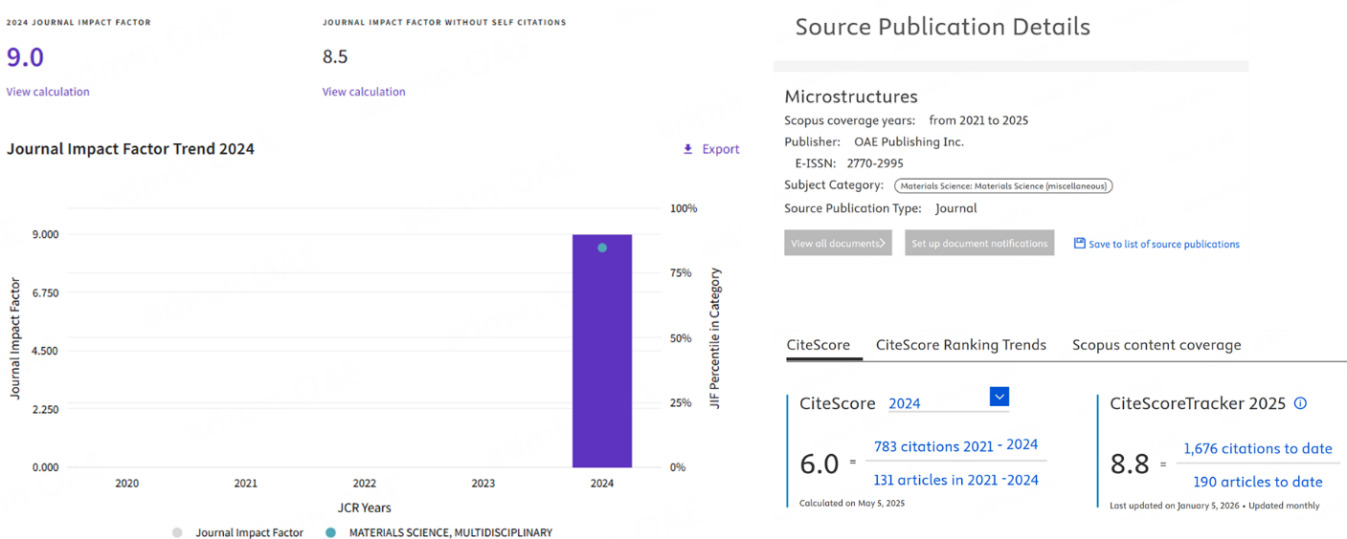
Figure 1. Impact Factor and CiteScoreTracker of Microstructures
2. Submissions and Publications
In 2025, Microstructures received a total of 184 submissions. Among these manuscripts, Research Articles accounted for 65.76%, followed by Reviews (30.98%), Perspectives (2.18%), Commentaries (0.54%), and Technical Notes (0.54%). This distribution reflects a primary emphasis on original research, supported by high-quality review articles.
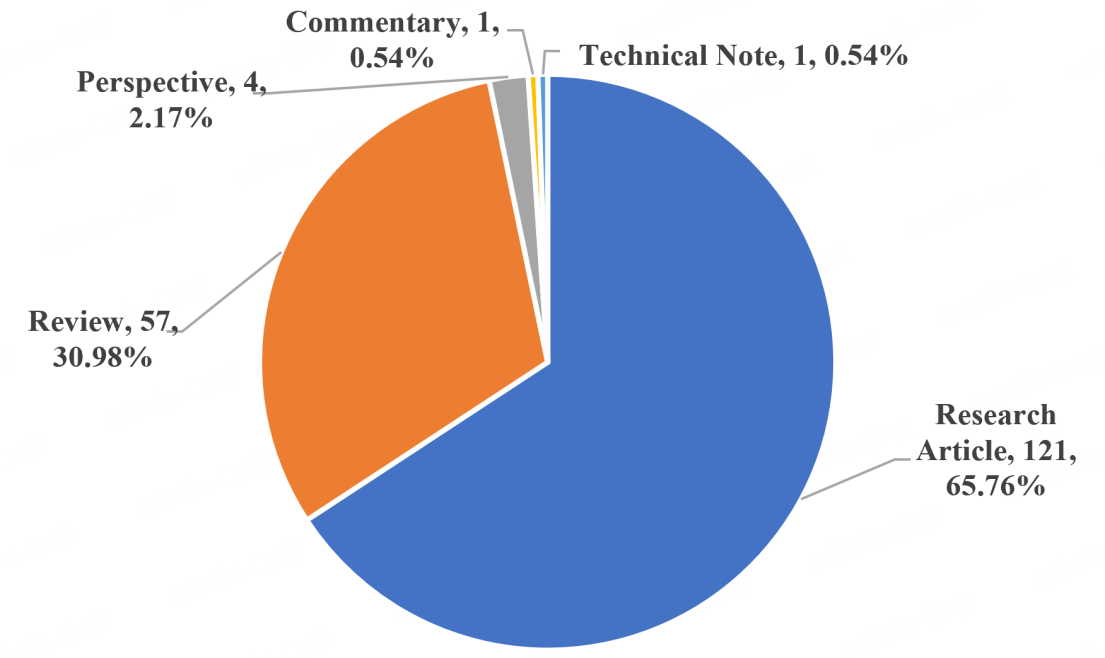
Figure 2. Article Type Distribution of Submissions (2025)
The journal published 100 articles across four issues, authored by 685 authors. Compared with 2024, the number of published articles increased by 66.7%, and the number of contributing authors grew by 75.19%, indicating continued expansion of the journal’s author base. Each issue featured customized front and back covers highlighting selected articles, further enhancing the journal’s visual identity. The rejection rate reached 55.43%, demonstrating the journal’s commitment to rigorous peer review while maintaining a constructive and supportive evaluation process.
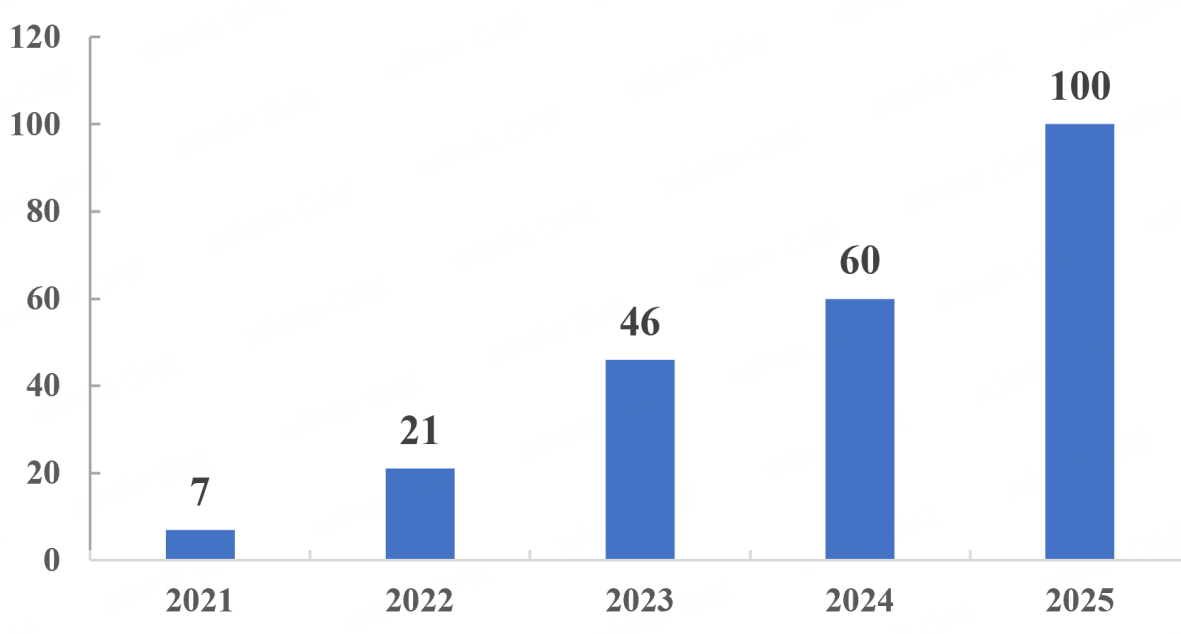
Figure 3. Manuscript Publication Trends (2021-2025)
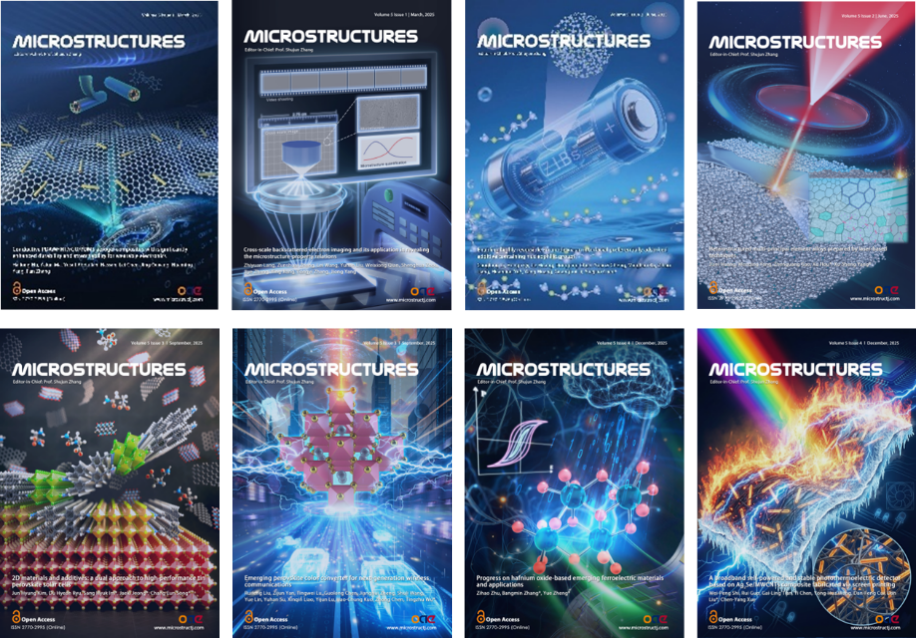
Figure 4. Issue Covers of Microstructures in 2025
In total, 462 reviewers from 25 countries or regions contributed to the peer-review process in 2025. Their professional expertise and timely evaluations played an essential role in maintaining publication quality. To recognize exceptional contributions, the journal introduced a Best Reviewer Award to be announced in February 2026.
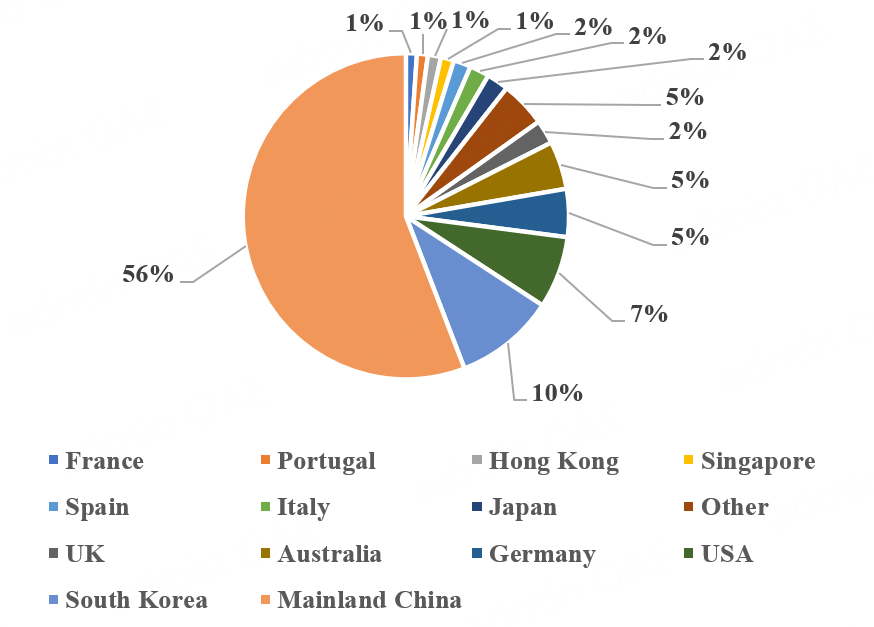
Figure 5. Distribution of Reviewers by Country/Region in 2025
3. Reads and Downloads
From 2024 to 2025, Microstructures experienced substantial growth in readership. Article views increased by 141.44% and downloads by 292.07%, reflecting the broader dissemination of published research and a growing international readership.
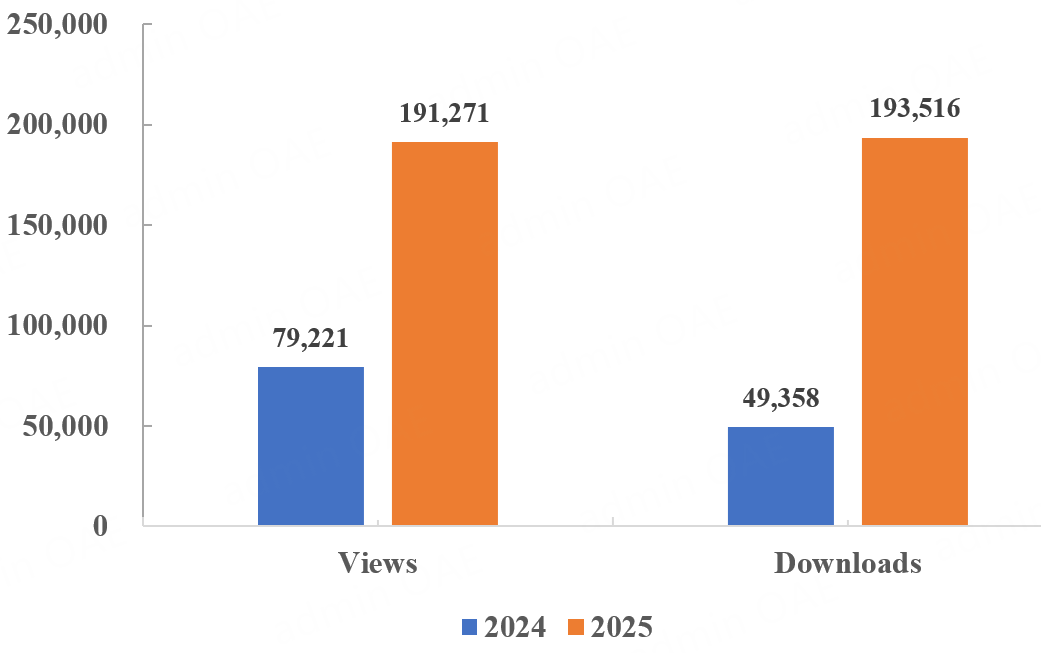
Figure 6. Article Reads and Downloads (2024-2025)
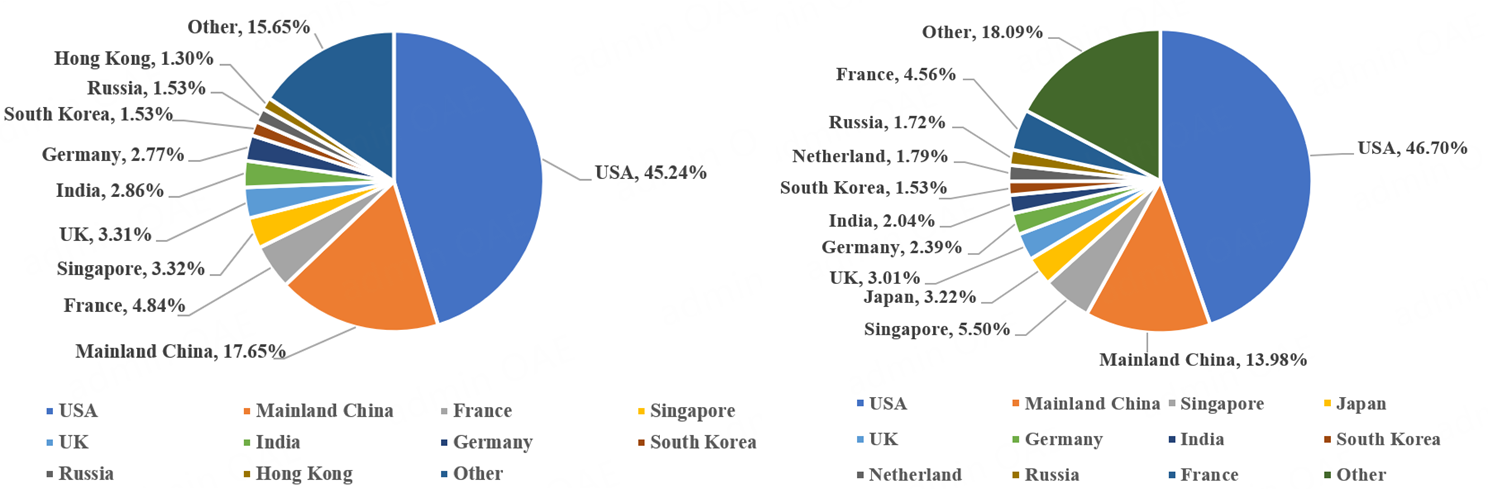
Figure 7. Article Views and Downloads by Country
4. Webinars
In 2025, Microstructures organized four academic webinars:
- Thermodynamics and Phase-Field Method of Microstructures
- Phase Engineering of Nanomaterials (PEN)
- Topology for Pedestrians
- Microstructural Control in Arc Additive Manufacturing Processes

Figure 8. Academic Webinars in 2025
These webinars engaged more than 80,000 researchers and scholars in China and around the world through both live sessions and recorded replays. Serving as interactive platforms, these events facilitated academic exchange on emerging research directions and methodological advances, strengthening connections between Microstructures and the global research community.
5. Conference Engagement
In 2025, Microstructures partnered with or participated in 6 academic conferences:
- The 2nd International Conference on Microstructures of Materials (ICMM2025) & Editorial Board Meeting Microstructures, Hong Kong, China
- China Materials Conference 2025, Xiamen, China
- The 2025 National Conference on Electron Microscopy, Wuhan, China
- The 10th Academic Annual Conference and the 8th National Member Representative Conference of the Chinese Crystallographic Society, Guilin, China
- Microstructures Hong Kong Frontier Academic Salon, Hong Kong, China
- 2025 International Energy and Dual-Carbon Conference, Haikou, China
During ICMM 2025, the journal also convened its Editorial Board meeting to discuss the journal’s strategic priorities and future development. Participation in these events substantially enhanced the journal’s visibility, deepened engagement with researchers, and fostered new academic connections.
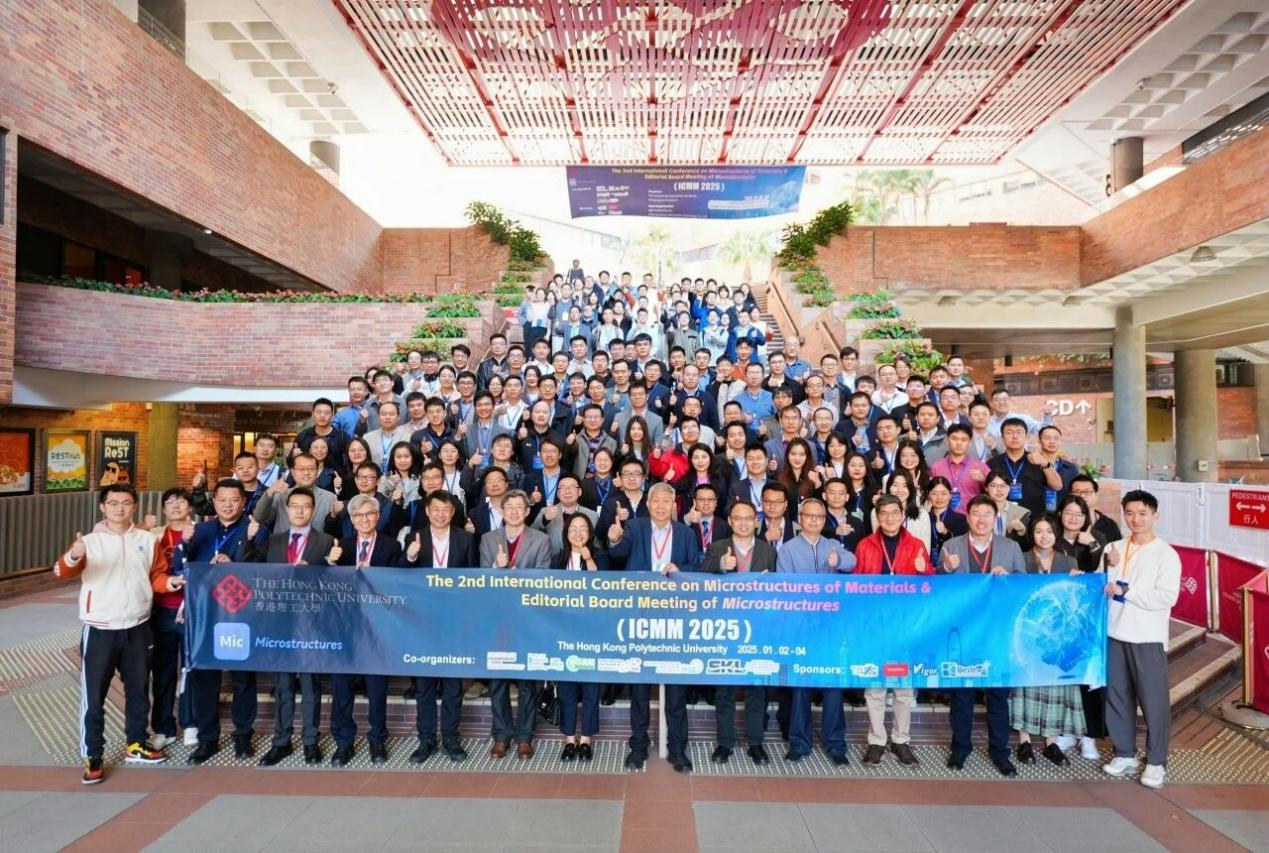
Figure 9. The 2nd International Conference on Microstructures of Materials (ICMM2025) & Editorial Board Meeting of Microstructures
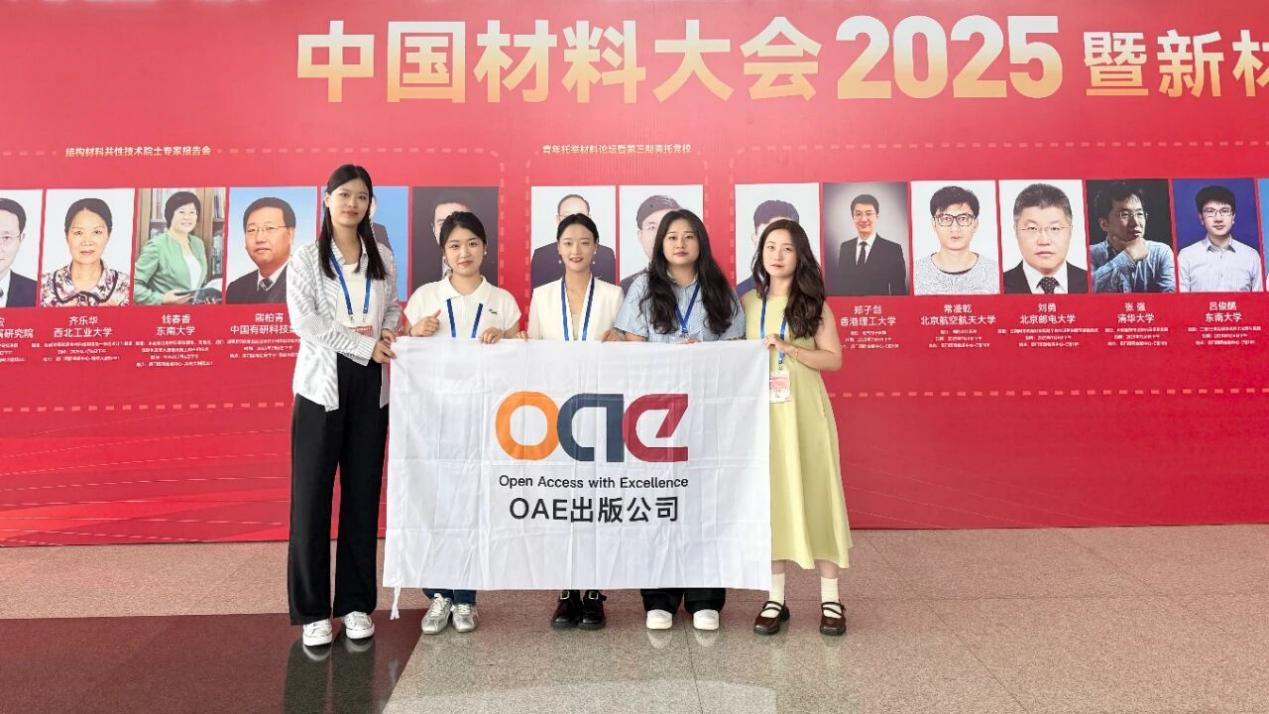
Figure 10. China Materials Conference 2025
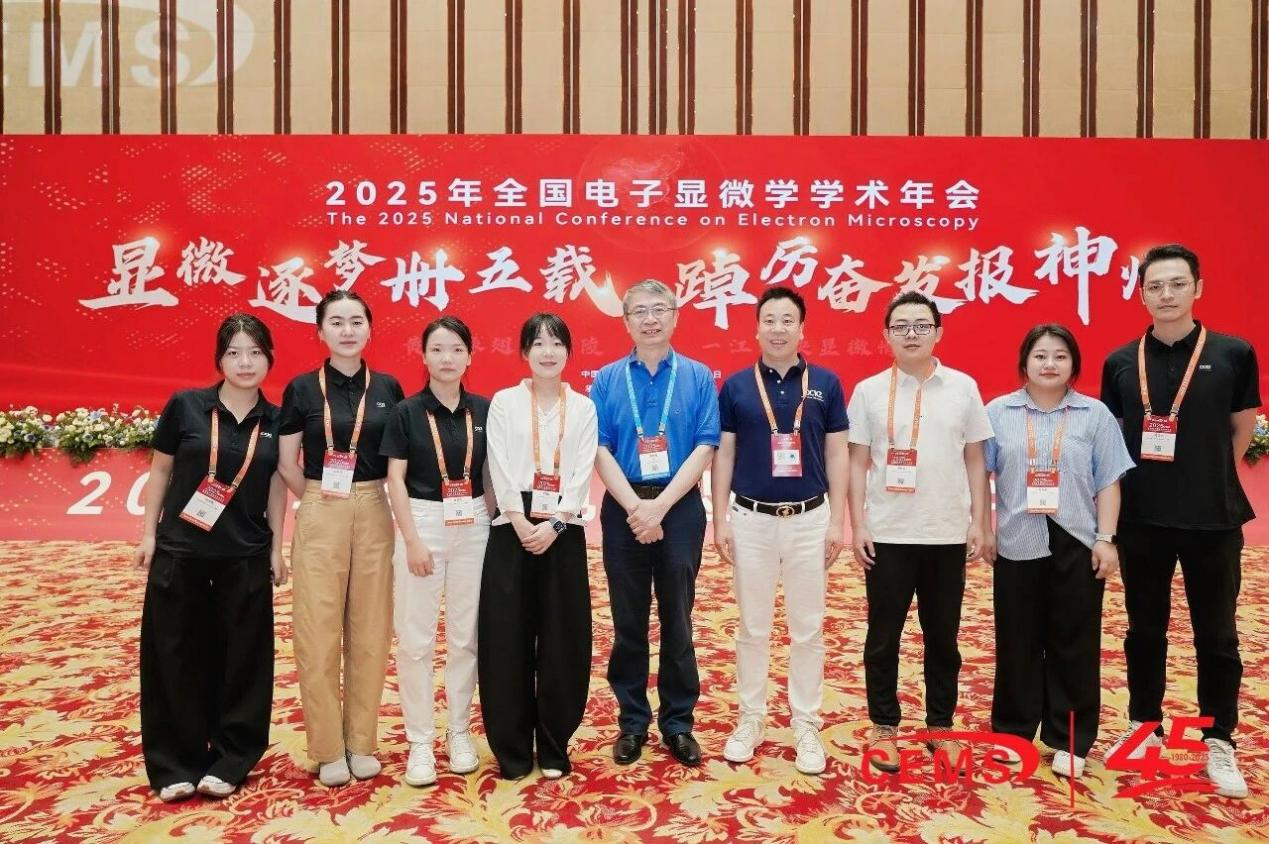
Figure 11. The 2025 National Conference on Electron Microscopy
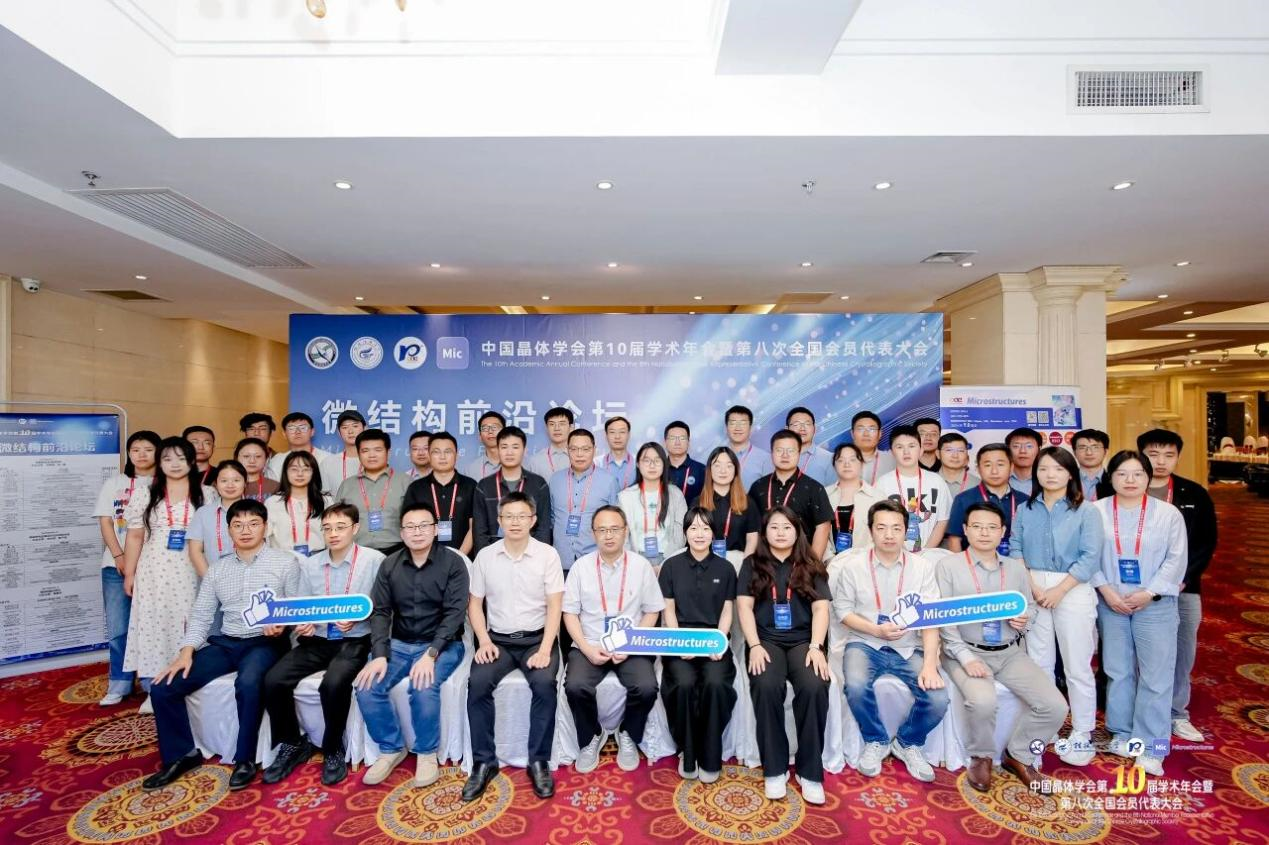
Figure 12. The 10th Academic Annual Conference and the 8th National Member Representative Conference of the Chinese Crystallographic Society
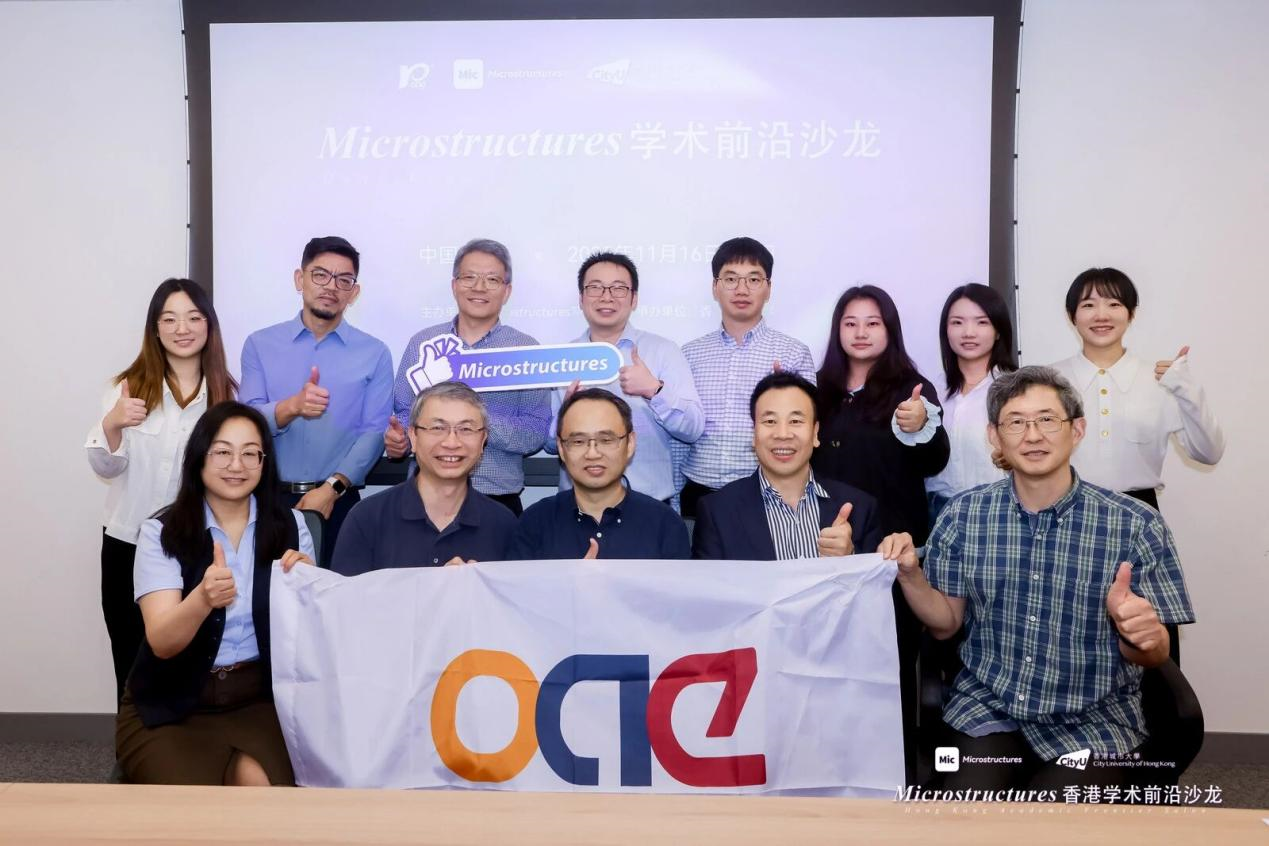
Figure 13. Microstructures Hong Kong Frontier Academic Salon
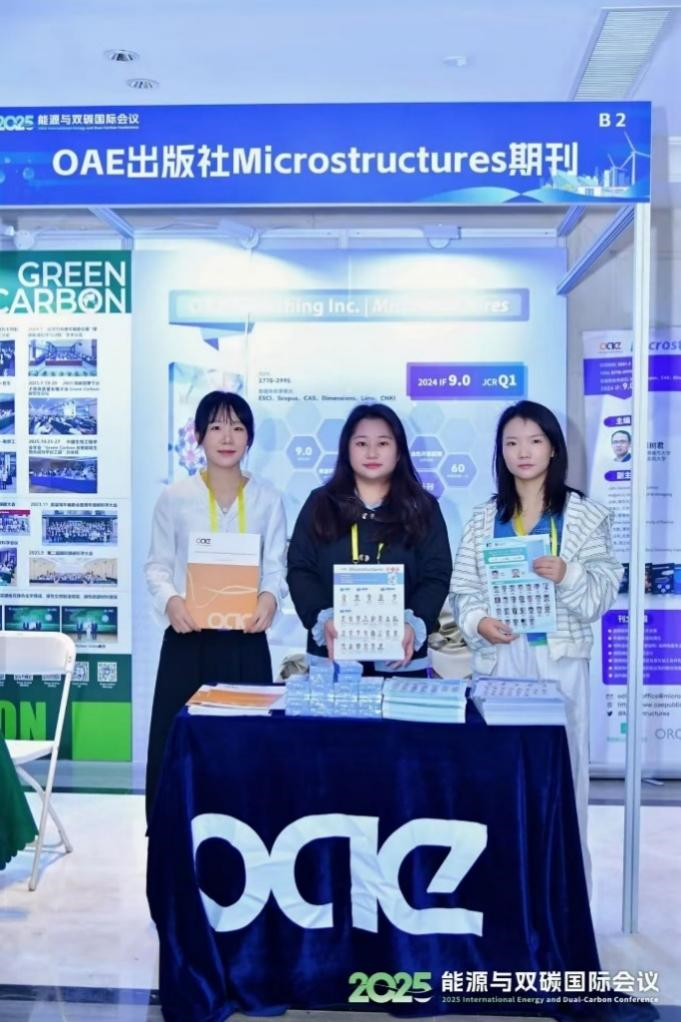
Figure 14. 2025 International Energy and Dual-Carbon Conference
6. Social Media Performance
Throughout 2025, Microstructures maintained active communication with its readership via WeChat Official Account (Microstructures), LinkedIn (Microstructures Journal), and X (Microstructures Journal). All platforms showed steady growth in followers, with some gaining over 1,500 new followers, supporting broader dissemination of journal content and improved engagement with the research community.
7. Institutional Cooperation
In 2025, Microstructures became an affiliated journal with the Chinese Crystallographic Society (CCrS). This collaboration supports academic exchange and community engagement in crystallography and related materials science fields, further strengthening the journal’s position within the discipline.

Figure 15. Partnership with the Chinese Crystallographic Society
Acknowledgments
The Editorial Office of Microstructures sincerely thanks all Editorial Board members, guest editors, authors, reviewers, and editorial staff for their valuable contributions throughout 2025. Their dedication, expertise, and continued support have been fundamental to the journal’s steady development. We also appreciate the support of our readers and academic partners, whose engagement has expanded the journal’s reach and impact. The progress achieved this year reflects a collective commitment to advancing high-quality research in materials microstructures, and related fields.
Looking ahead to 2026, Microstructures will continue to strengthen editorial standards, promote emerging research areas, and support open scientific exchange within the global materials science community.
Editor: Yanli Sun
Language Editor: Catherine Yang
Production Editor: Ting Xu
Respectfully Submitted by the Editorial Office of Microstructures